Few design decisions shape a room as immediately (or as dramatically) as the ceiling light you choose. The right fixture doesn’t just illuminate a space, it can anchor the room, define its atmosphere, and ties together the surrounding furniture, architecture, and decor. Get the proportions right, and the light feels effortless, as though it was always meant to be there. Choose poorly, and even a beautiful, artful chandelier can feel awkward or out of place.
The good news is that selecting the right size ceiling light is far simpler than it might seem. It comes down to understanding three key factors: scale, clearance, and spacing. Once you have a handle on these measurements, you can confidently choose lighting that complements your space rather than competing with it. Whether you’re installing a sculptural chandelier in the dining room, a row of pendants above the kitchen island or a sleek flushmount in the hallway, proportion is the secret to making the design feel intentional.
Below, we break down the fundamentals that designers rely on to create balanced, beautifully lit interiors.
Finding the Right Fixture Size
When choosing a ceiling light, scale is everything. A fixture that’s too small will disappear visually and fail to provide enough illumination. One that’s too large can overwhelm the room and disrupt the visual balance.
Interior designers often start with a simple sizing rule to determine an appropriate diameter for a ceiling fixture. Add together the length and width of your room (in feet), then convert that number to inches. The result is a good starting point for the fixture’s diameter.
For example, a room that measures 12 feet by 14 feet is 26 feet total. This would suggest a ceiling light roughly 26 inches wide. This guideline works particularly well in living rooms, bedrooms, entryways and other spaces where a single central fixture provides the primary source of light.
Beyond width, consider fixture height. Taller ceilings can accommodate larger and more dramatic pieces—multi-tier chandeliers, sculptural pendants or statement suspensions. Lower ceilings benefit from compact fixtures like semi-flushmounts or flushmount designs that provide style without sacrificing headroom.
In short, smaller rooms typically work best with smaller-diameter fixtures, while larger rooms can accommodate a larger statement piece. Getting these proportions right ensures your lighting complements the architecture instead of fighting against it.
How High to Hang a Ceiling Light
A fixture’s height is just as important as its width. Proper hanging height ensures the light is both functional and comfortable within the room.
For most spaces, designers recommend keeping the bottom of a hanging light at least seven feet above the floor. This maintains comfortable headroom while allowing the light to properly illuminate the room.
Different spaces have slightly different guidelines.
Dining Rooms
Dining room lighting is typically suspended 30 to 36 inches above the table surface. This keeps the light focused on the table while maintaining clear sightlines across the room.
Kitchen Islands
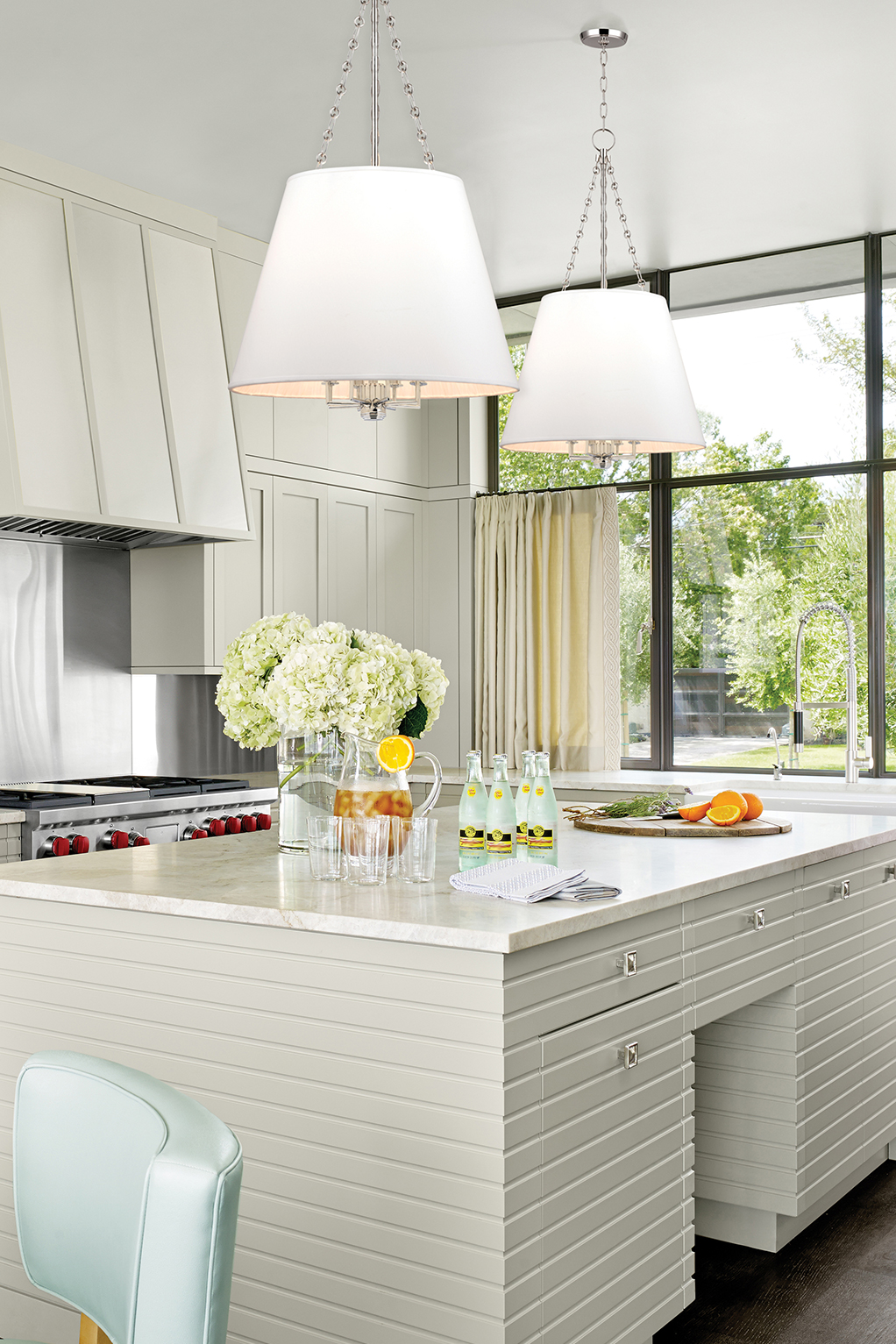
Pendant lights above an island should usually hang 30 to 36 inches above the countertop. This provides effective task lighting while leaving room for conversation and movement.
Entryways and Foyers
In rooms with high ceilings or open staircases, chandeliers can hang lower, but always ensure the lowest point remains well above head height.
Thoughtful placement ensures your lighting feels intentional rather than intrusive.
Arranging Multiple Fixtures
Many contemporary kitchens and dining spaces use multiple pendant lights rather than a single fixture. The challenge becomes arranging them so they feel balanced and intentional. A good rule of thumb is to size pendants so each one measures about one-third the width of the island they hang above. This keeps them visually substantial without overcrowding the space.
When spacing multiple pendants:
1. Measure the length of the island
2. Subtract the combined width of the pendants
3. Divide the remaining space evenly between the fixtures and the ends
For example:
· Island length: 60 inches
· Three pendants, each 8 inches wide
· Remaining space is divided evenly to determine the gaps
This approach creates a clean, symmetrical layout while preventing pendants from feeling cramped or uneven.
If your fixtures are visually larger—such as wide glass domes or layered shades—allow slightly more space between them. The goal is to create visual breathing room so each piece can stand out.
Match the Fixture to the Room’s Purpose
While sizing rules provide a strong foundation, the best lighting choices also consider how the room is used.
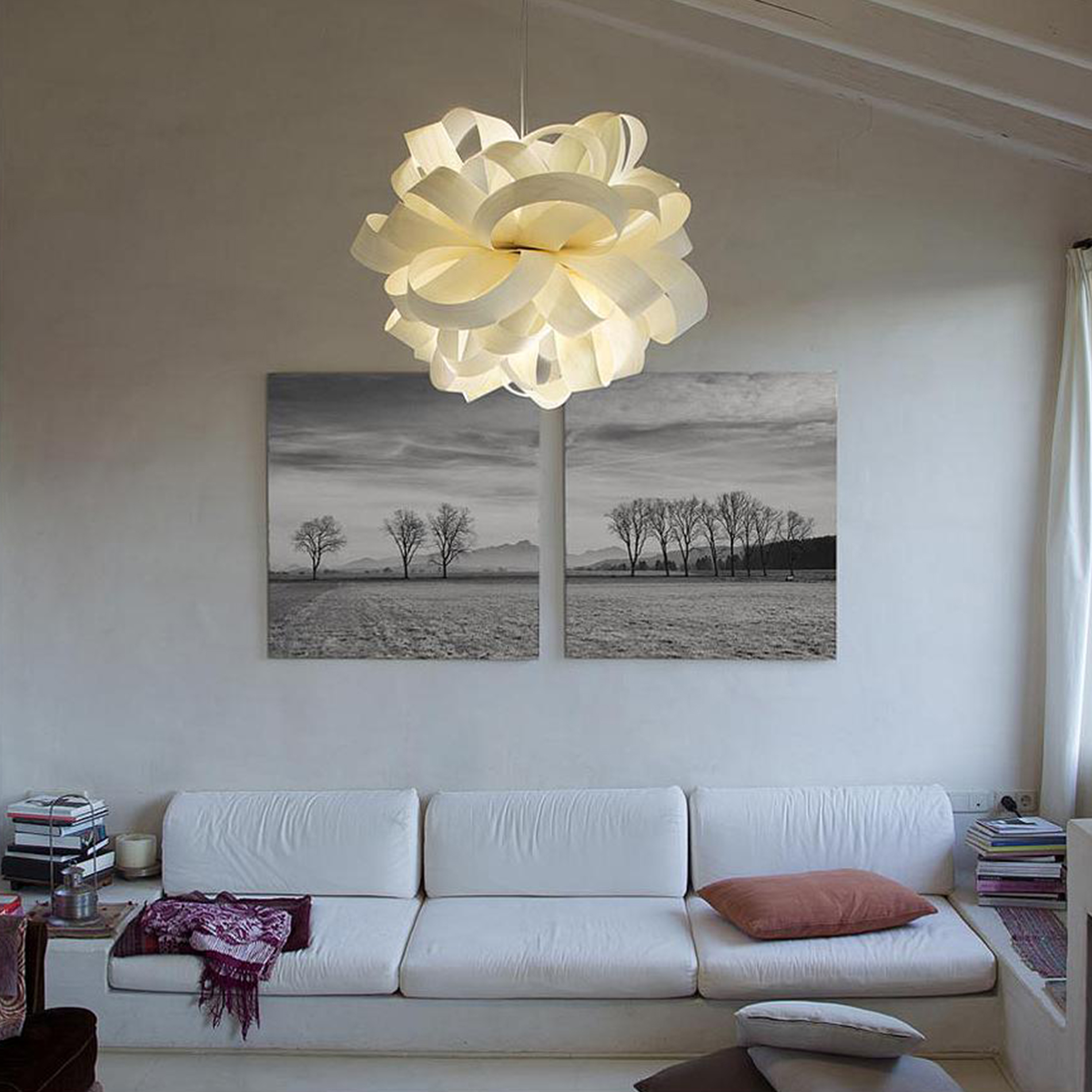
· Living Rooms: Choose a fixture that provides ambient lighting but also complements floor lamps and accent lights
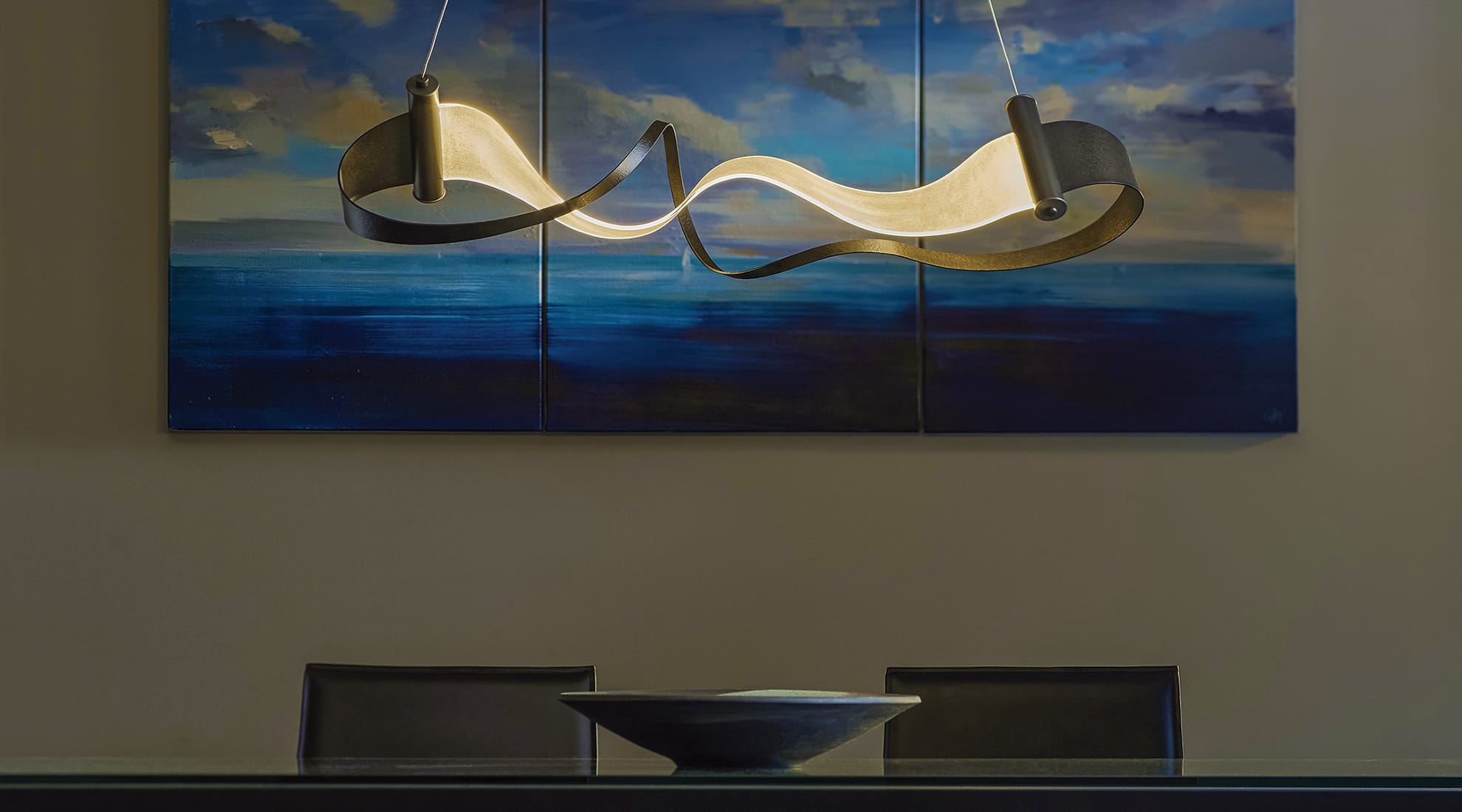
· Dining Rooms: A chandelier or linear suspension can act as the focal point while illuminating the table below
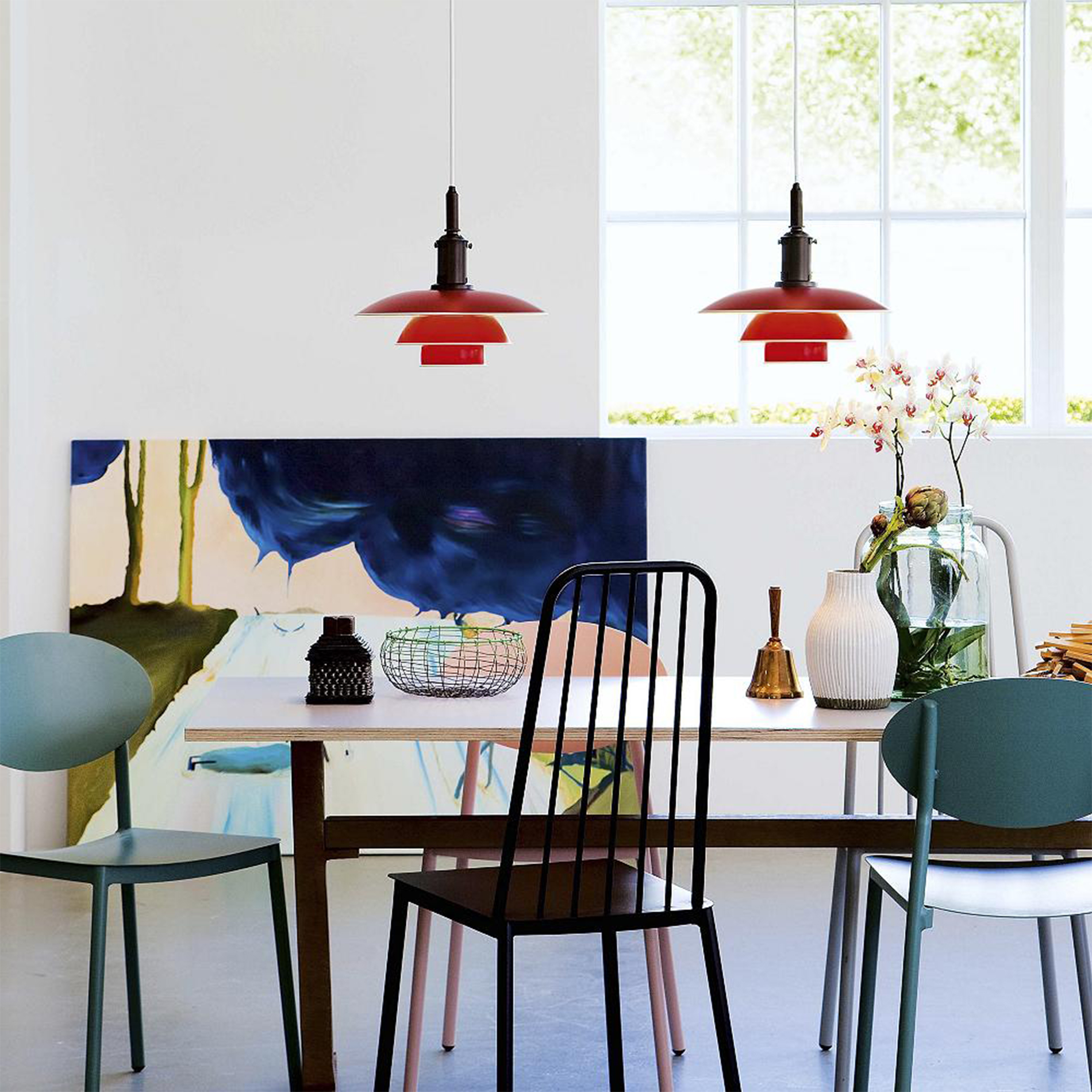
PH 3 ½ – 3 Pendant by Poul Henningsen for Louis Poulsen
· Bedrooms: Softer, diffused lighting works best—often through semi-flushmounts or layered fixtures
· Hallways and Entryways: Compact flushmounts keep the space bright without crowding overhead space
Remember, ceiling lighting often works best as part of a layered lighting plan that includes ambient, task and accent lighting throughout the room.
Bring It All Together
Once you understand scale, clearance and spacing, choosing ceiling lighting becomes far less intimidating. Instead of guessing, you’re making informed design decisions that align with the architecture and proportions of your home.
The right ceiling light does more than brighten a room—it shapes the way the space feels. A thoughtfully sized chandelier can elevate a dining room into an inviting gathering place. A row of pendants can transform a kitchen island into the natural heart of the home.
When the proportions are right, everything else falls into place. Suddenly your lighting isn’t just functional, it’s foundational to the entire design.
Start with your table’s shape — it’s the clearest guide to what kind of fixture will work. The goal is to keep the light centered over where people gather, with enough presence to feel intentional but not so much bulk that it overwhelms the tabletop.
Rectangular or oval tables pair naturally with a linear suspension or a multi-light pendant that echoes the table’s length.
Square or round tables call for a single centered pendant or chandelier. A round canopy multi-light can also work beautifully here for a more dramatic, layered effect.
If you love the look of multiples, a row of smaller pendants lined across the table makes just as much of a statement.
Choosing a fixture that mirrors the table’s geometry creates instant visual cohesion. It also helps ensure light coverage aligns with where people actually sit. If you’re using multiple pendants, aim for consistent spacing so each seat gets an even, flattering glow.
On sizing: your fixture’s width or length should be at least 1 foot shorter than the table’s total length — or about 6 inches smaller on each side. This keeps things balanced without the light crowding the edges. Hang the bottom of the fixture 28–36 inches above the tabletop for the most flattering, functional result.
Stay inspired—join our newsletter or sign up for SMS alerts to receive exclusive offers and expert tips!