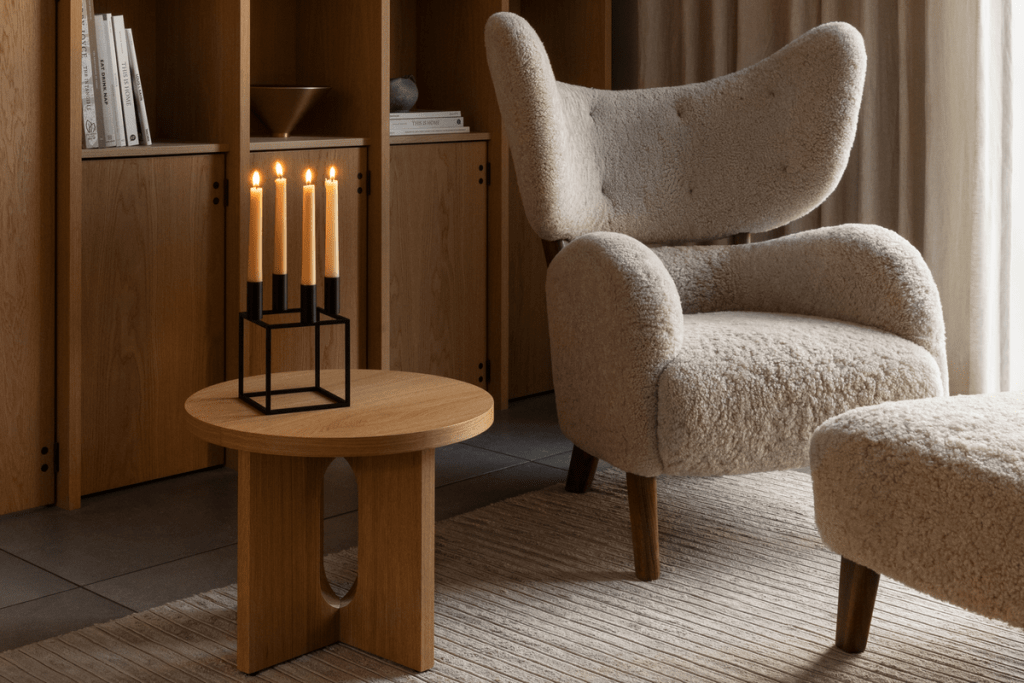
Living Room Lighting: The Foundation of a Well-Designed Space
The right lighting transforms a living room from a simple gathering area into the most versatile, inviting space in your home. A thoughtful lighting plan supports every activity, from focused reading to relaxed conversation, while expressing your personal design sensibility through the fixtures you choose.

Why Layered Lighting Matters in Your Living Room

The living room is the heart of your home, a space for comfort, entertainment, and conversation. Because it serves so many roles, the key to great living room lighting is a thoughtful, layered approach. The right combination of ambient, task, and accent lighting lets you switch seamlessly from movie nights to reading nooks and lively gatherings.
Think of each layer as serving a distinct purpose. Ambient lighting provides overall illumination, typically from ceiling fixtures, recessed lights, or large floor lamps. Task lighting delivers focused brightness where you need it most, such as a reading lamp beside your favorite chair. Accent lighting adds depth and visual interest by highlighting artwork, architectural details, or a curated display shelf. When all three layers work together, your living room becomes adaptable to any mood or occasion.
The Art of Living Room Lighting

Great living room lighting is more than a set of fixtures on a switch. It is a dialogue between light and architecture, between function and feeling. The best-designed living rooms use light the way a painter uses color: deliberately, in layers, with each source contributing something the others cannot.
Consider the range of possibilities. A hand-blown glass pendant suspended from a vaulted ceiling catches and refracts daylight during the afternoon, then becomes a warm sculptural glow after sunset. A pair of brass wall sconces flanking a fireplace defines the room’s vertical plane and draws the eye upward. A walnut floor lamp tucked beside a reading chair creates a private island of focused light in an otherwise open plan. Each fixture tells a story about how the space is used and who lives there.
Lighting for TV Viewing

ELEMENTS Media Storage Cabinet by Al Glass, Jason Guidry for BDI
Expert Tip: To create a cinematic atmosphere, focus on soft, glare-free lighting.
- Ambient Lighting: Install dimmable overhead fixtures for general illumination that avoids harsh reflections on your TV. Position lights above or in front of the screen and use dimmers to adjust brightness to your preference.
- Task Lighting: Minimal task lighting is needed. A subtle reading lamp behind your seat helps with remotes or snacks, but keep it off while viewing.
- Accent Lighting: Use sparingly. Bright accent lights can distract from your immersive experience.
Lighting for Reading

Equo Gen 3 Floor Lamp by Koncept
Expert Tip: Prioritize focused, adjustable illumination for comfortable reading.
- Use general lighting such as floor lamps, torchieres, or sconces. No need to worry about screen glare. Dimmable options let you control brightness for eye comfort.
- Essential for readers. Choose adjustable reading lamps in table or floor styles, and ensure a wide range of lumen output for the perfect glow.
- Optional. Dimmable shelf or picture lights can highlight your book collection or art.
Lighting for Entertaining and Socializing
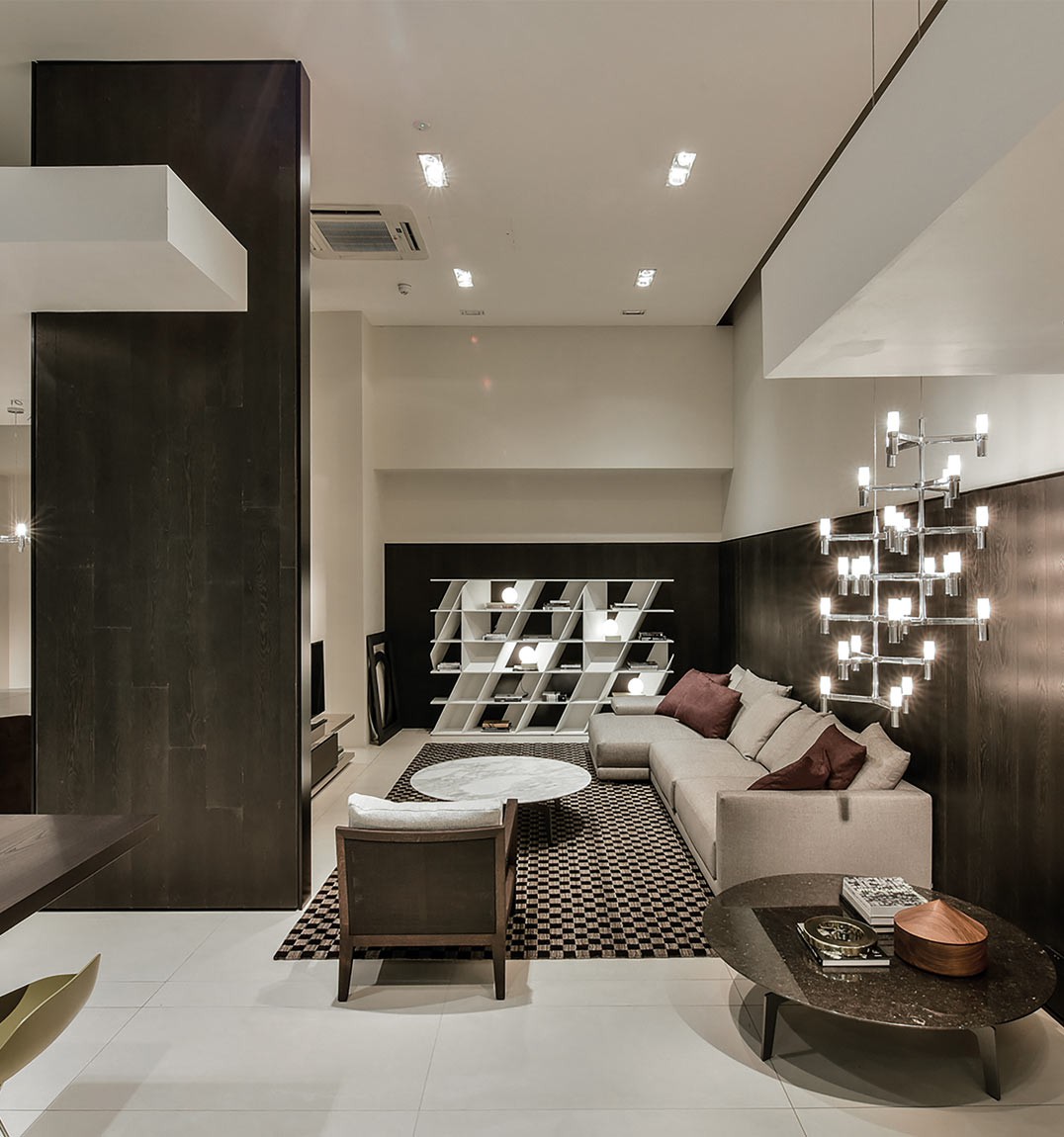
Crown Multi Chandelier by Jehs + Laub for Nemo
Expert Tip: Layer your lighting to create a warm, inviting atmosphere that encourages conversation.
- Combine overhead fixtures, floor lamps, and sconces. Opt for frosted or fabric shades and dimmable bulbs to minimize glare. Chandeliers or pendants make stylish focal points.
- Illuminate serving spaces or seating areas with low-output table lamps or pendant clusters.
- Go decorative. Use accent lights to highlight artwork or architectural features and express your personal style.
Floor Lamps and Table Lamps: Zoning Your Living Room
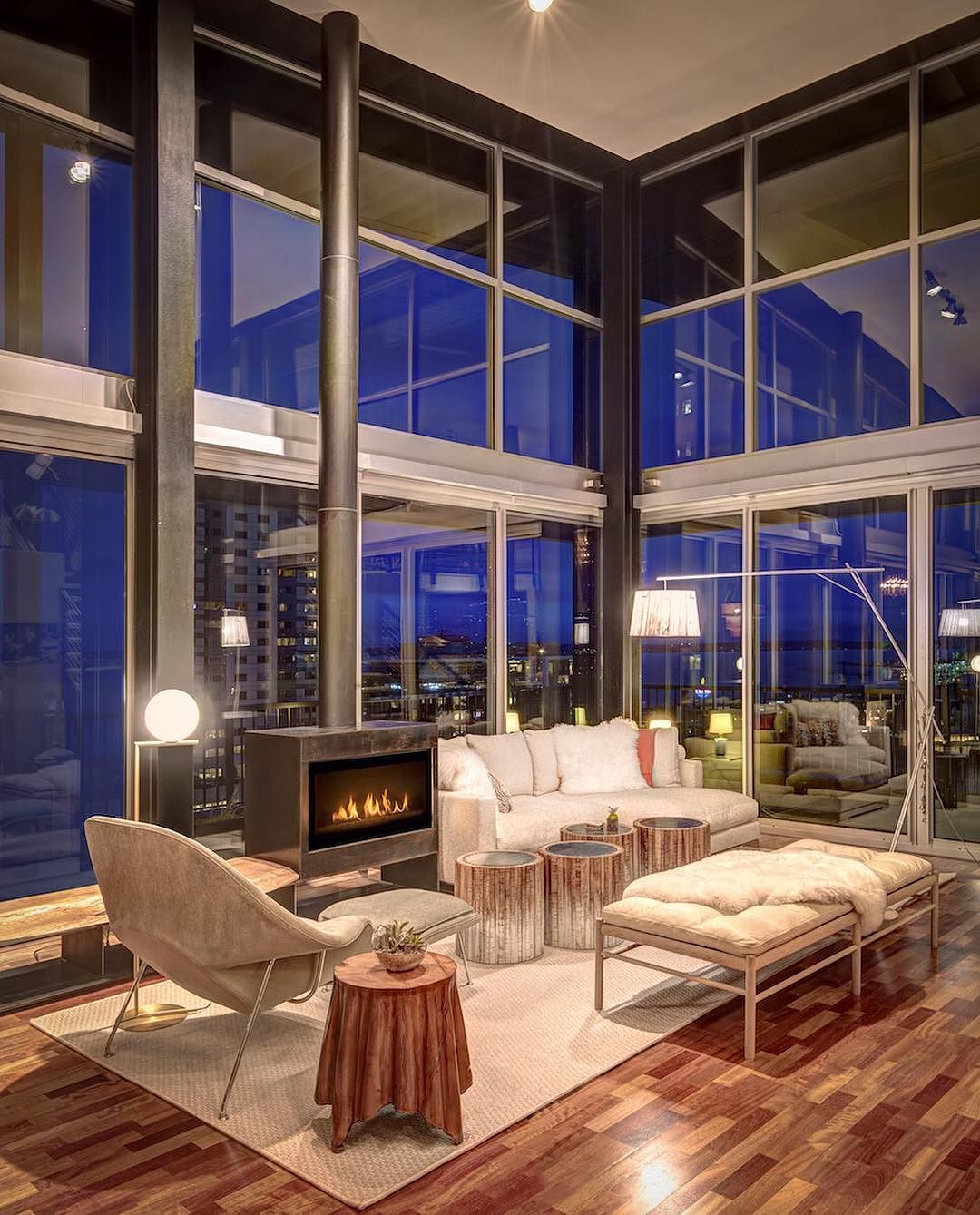
Portable lighting is the most flexible element of your layered plan. Floor lamps and table lamps let you define zones within the living room, creating pockets of warmth and purpose without any wiring changes.
Floor Lamps
A well-placed floor lamp anchors a reading nook, defines a seating area, or fills a dark corner that overhead fixtures cannot reach. Ideal floor lamp height is 60 to 68 inches from base to the top of the shade or light source. Position the lamp beside or just behind your seating so the light falls over your shoulder for reading, or use a torchiere style to bounce ambient light off the ceiling.
The Valeo LED Floor Lamp by Nick Sheridan for Cerno is a clean example of this approach: its slim walnut frame tucks neatly beside a sofa while delivering warm, dimmable LED light from a minimal footprint.
Table Lamps
Table lamps bring light to surfaces where you need it, from end tables flanking a sofa to a console behind a sectional. For proper proportion, choose a lamp whose total height (base plus shade) is 27 to 31 inches. The bottom of the shade should sit at approximately seated eye level so the bulb is concealed and the light falls naturally onto the surface below.
When pairing a table lamp with an end table, a helpful rule of thumb is to choose a lamp that is no taller than 1.5 times the height of the table. This keeps the scale balanced and ensures the light reaches the right zone.
Living Room Lighting FAQs
How many lights do you need in a living room?
There is no single answer, because the right number depends on room size, ceiling height, and how you use the space. As a general guideline, plan for at least three to five light sources distributed across the ambient, task, and accent layers. A 200- to 300-square-foot living room typically benefits from one or two overhead fixtures, two to three lamps, and one or two accent sources.
Expert Tip: Map your furniture layout first, then place lighting around it. Every seating area should have a dedicated light source within arm’s reach, whether that is a floor lamp, a table lamp, or a swing-arm sconce.
What color temperature is best for a living room?
For most living rooms, 2700K provides the warm, relaxed atmosphere that works well for conversation, TV viewing, and general comfort. If your living room doubles as a workspace or reading-intensive environment, consider 3000K in the task areas while keeping 2700K in the ambient and accent layers.
Expert Tip: Avoid mixing color temperatures within the same line of sight. A 2700K floor lamp next to a 4000K overhead fixture creates a visual clash that feels disjointed. Consistency across your layers keeps the room cohesive.
How do you light a living room without overhead lighting?
Many older homes and apartments lack ceiling junction boxes. In these spaces, build your ambient layer from the ground up using a combination of tall floor lamps (torchieres are especially effective), plug-in wall lights, and table lamps. Place at least two floor lamps at opposite ends of the room to distribute ambient light evenly, then add table lamps and sconces for task and accent.
Expert Tip: A pair of torchiere floor lamps rated at 1,500 to 2,000 lumens each can approximate the ambient coverage of a ceiling fixture in a medium-sized living room.
What size chandelier do I need for my living room?
Measure the length and width of your room in feet, then add those two numbers together. The result, converted to inches, gives you a starting point for fixture diameter. A 14-by-18-foot living room, for example, would suit a chandelier roughly 32 inches across. For ceiling height, allow at least 7 feet of clearance between the bottom of the chandelier and the floor.
Expert Tip: In rooms with ceilings above 9 feet, you can hang the chandelier slightly lower to create a more intimate scale. Add 3 inches of chain or rod for every additional foot of ceiling height above 8 feet.
Should I use recessed lighting in my living room?
Recessed lighting is an excellent choice for providing clean, even ambient light, especially in living rooms with lower ceilings where a pendant or chandelier would feel crowded. Space fixtures 4 to 6 feet apart for general illumination. Adjustable trims let you aim the light toward walls for a wall-wash effect that makes the room feel more spacious.
Expert Tip: Combine recessed lights on a dedicated dimmer circuit with your decorative fixtures on a second circuit. This gives you independent control of the ambient baseline and the accent layers, which is the foundation of a truly flexible lighting plan.
Where can I find a personalized lighting layout for my living room?
The Living Room Lighting Planner walks you through room dimensions, activities, and style preferences to generate a customized fixture recommendation. It is a practical starting point before you browse individual categories.
Expert Tip: Bring your room measurements and a photo of the space. Having the ceiling height, room dimensions, and a sense of your existing furniture layout makes the planning process faster and the recommendations more accurate.
Design Your Dream Living Room Lighting
No two living rooms are exactly alike, and that is what makes lighting design so rewarding. Define the activities that matter most to you, whether that is movie marathons, weekend reading, or hosting friends. Then build your layers accordingly: ambient for overall comfort, task for focused activities, and accent for character and depth. With the right plan and the right fixtures, your living room becomes a space that adapts to every moment.