Looking to elevate your space with modern, versatile lighting? Discover the essentials of track lighting, pendant lights, and monorail lighting systems in this comprehensive buyer’s guide from Lumens. Whether you’re renovating a kitchen, highlighting artwork, or illuminating vaulted ceilings, find the perfect solution for every room.
Why Choose Track or Monorail Lighting?
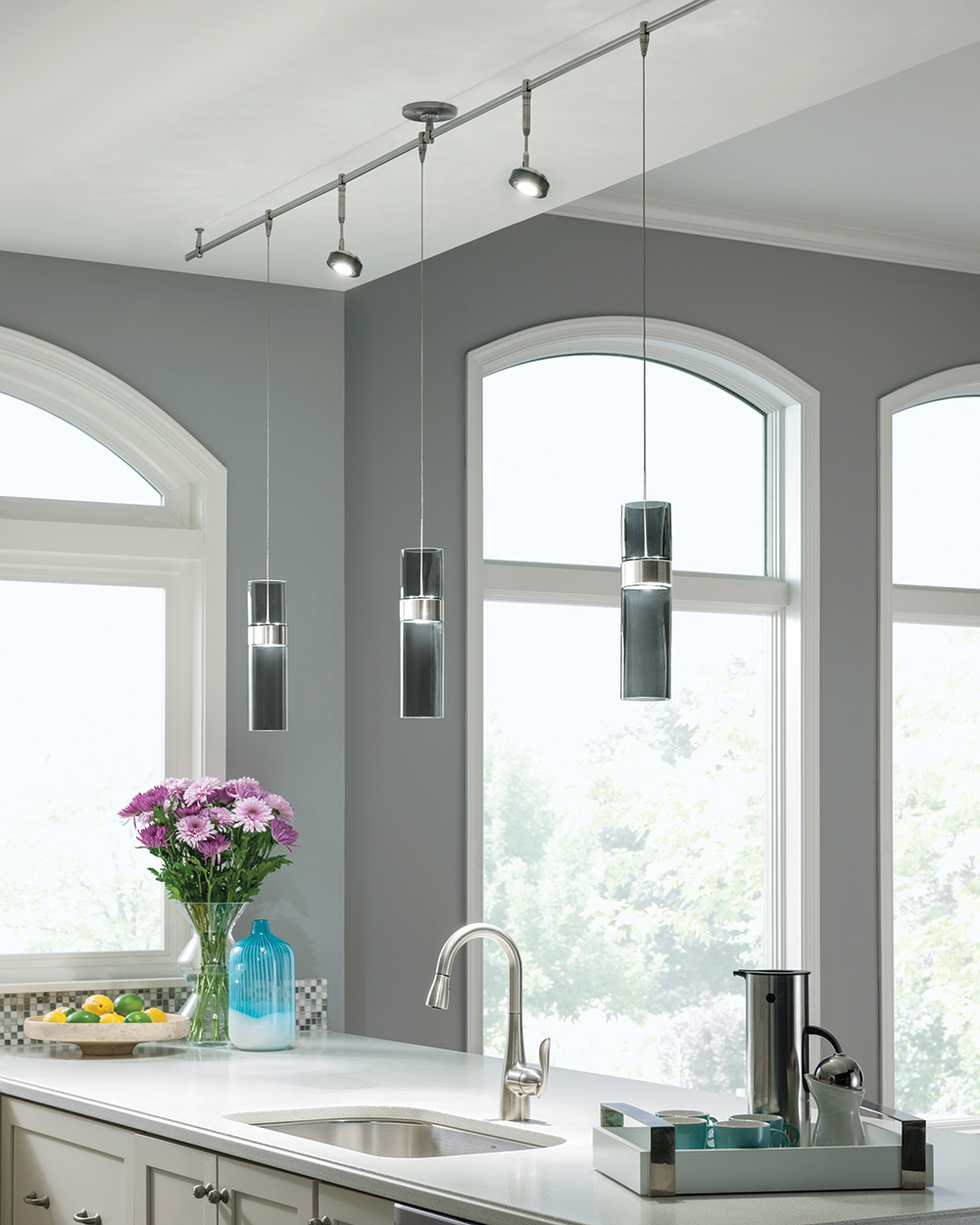
Lighting systems like track lighting and monorail lighting are ideal when traditional ceiling lights aren’t feasible or cost-effective. These flexible solutions let you direct light exactly where you need it—perfect for modern homes with high ceilings, exposed beams, or open layouts.
But which system is right for you? Let’s break down the differences and help you make the best choice for your space.
Track Lighting vs. Monorail Lighting: What’s the Difference?
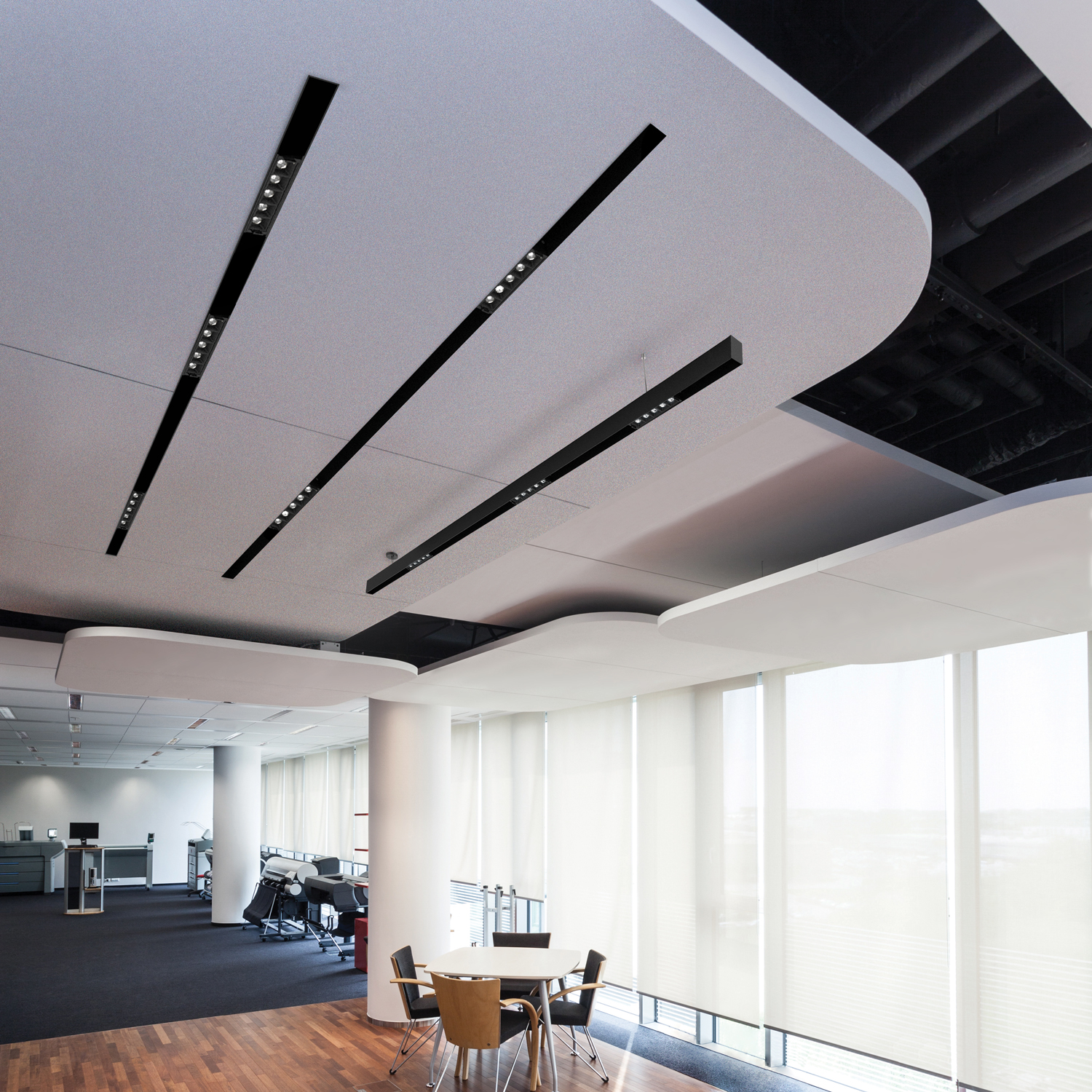
Track Lighting: Uses standard 120V line voltage—an extension of your home’s electrical circuit. Simple to specify and install, making it budget-friendly and ideal for kitchens, hallways, and high ceilings.
- Monorail Lighting: Usually a low-voltage (12V) system powered by a transformer. Offers more design flexibility and supports a wide range of decorative fixtures—great for making a style statement or adapting to unique architectural features.
Key Takeaway:
Choose track lighting for straightforward, functional illumination. Opt for monorail lighting if you want a custom, design-forward look with decorative pendants or heads.
How to Decide: Track or Monorail?
Consider these questions to guide your choice:
- Purpose: Is lighting purely functional, or do you want a standout design feature?
- Track systems excel for general illumination in practical spaces like closets, hallways, or vaulted areas.
- Monorail systems shine when you desire decorative fixtures and a unique visual impact.
- Aesthetics: Want to use stylish pendants or accent heads? Monorail gives you more decorative options.
- Space Challenges: Dealing with high, sloped, or vaulted ceilings? The flexibility of monorail systems makes them ideal for unconventional spaces.
Explore more track and monorail lighting options to find the best fit.
Building Your Perfect Lighting System: Components Overview
Both track and monorail lighting systems include three main parts:
Track/Rail
Track Lighting: Typically available in 2, 4, 6, and 8-foot lengths. Easy to customize by cutting or connecting tracks.
Monorail Lighting: Usually comes in 4 and 8-foot sections; bendable and requires mounting hardware. Always check fixture compatibility, as many systems are proprietary.
Power Feed/Transformer
Track Systems: Connect directly to your home’s 120V wiring using a power feed—simple and straightforward.
Monorail Systems: Require a transformer (surface-mounted or remote) to step down voltage. Choose the transformer based on your total fixture wattage.
Light Fixtures
Track Lighting: Offers a wide selection of directional heads for spot, accent, or ambient lighting. Some adapters allow for adding pendants.
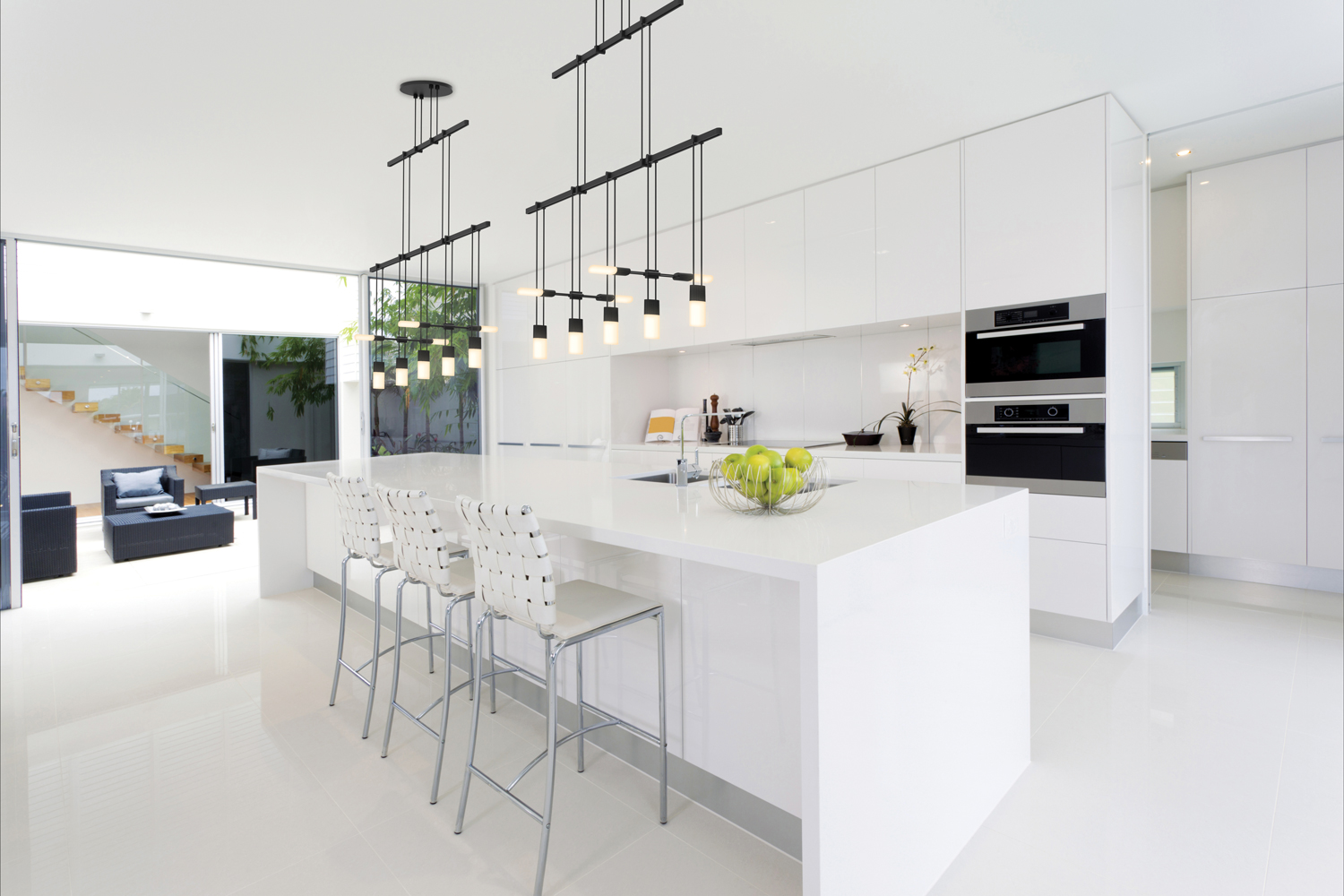
- Monorail Lighting: Supports a broad range of decorative pendants and directional heads for layered, functional, and decorative lighting in one system.
Expert Tip: For track lighting, total up the wattage of all fixtures to ensure you don’t exceed your circuit’s limit. For monorail, select your layout and fixtures first, then choose a transformer that matches the total wattage (especially important for non-LED systems).
Customize with Accessories
Monorail systems offer a much wider array of decorative fixtures, including a diverse range of mini pendants. These can be used on their own or combined with directional heads to create a complete system with multiple lighting functions. As a low-voltage system, wattage is generally limited; the wattage of all the lights used cannot be greater than the output of the transformer (if you’re using LEDs, this is less of a problem as it has been in the past).
Spotlight: Cable Lighting Systems
Cable lighting is another innovative low-voltage solution, ideal for spaces where ceiling access is difficult—like under exposed ductwork or in vaulted rooms. Cables run in parallel lines, supporting accent, ambient, or decorative fixtures.
Key Features:
- Perfect for wall-to-wall, ceiling-to-wall, or long ceiling runs
- Flexible layouts with adjustable direction and height
- Requires a transformer (like monorail lighting)
Planning Your Cable Lighting Layout
Calculate Cable: Double the run length (for each cable) and add extra for turns.
- Suspension: Choose supports based on your layout—rigid or flexible, with more needed for long runs or heavier fixtures.
- Power: Select a transformer based on total wattage; if you exceed 300W at 12V or 600W at 24V, use a second transformer.
- Fixtures: Use pendants, spots, and heads for ambient, task, or accent lighting.
Discover More Lighting Solutions
Can’t use recessed lighting due to ceiling beams or architecture?
Explore our full selection of track lighting, monorail lighting, and cable lighting systems to find the perfect fit for any space.