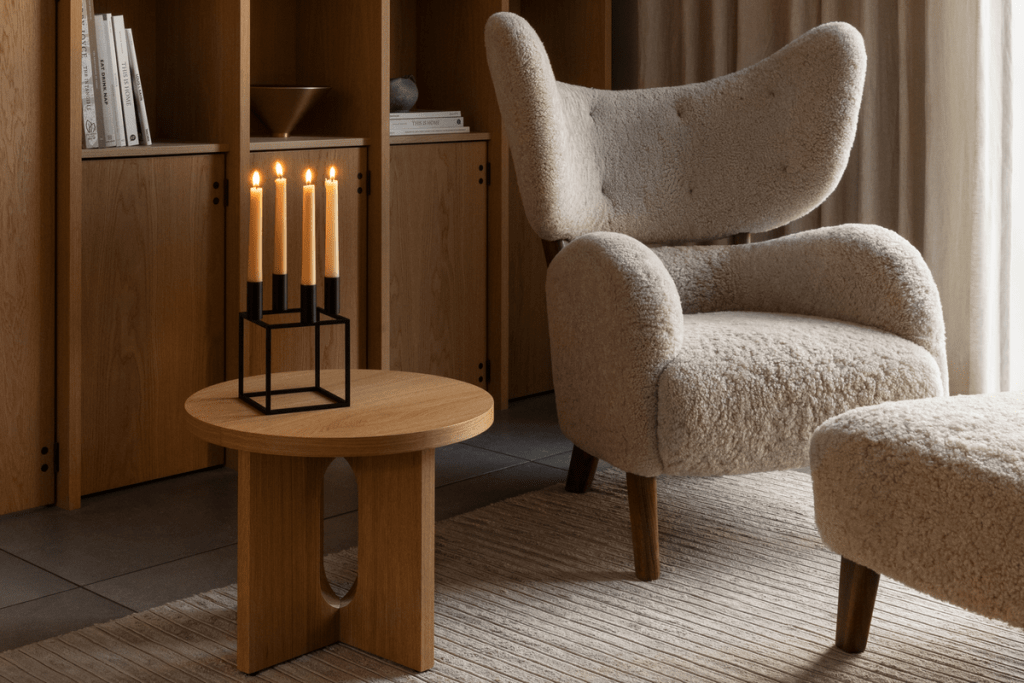
Make the switch to LED lighting and discover brighter, more efficient, longer-lasting light for every space.
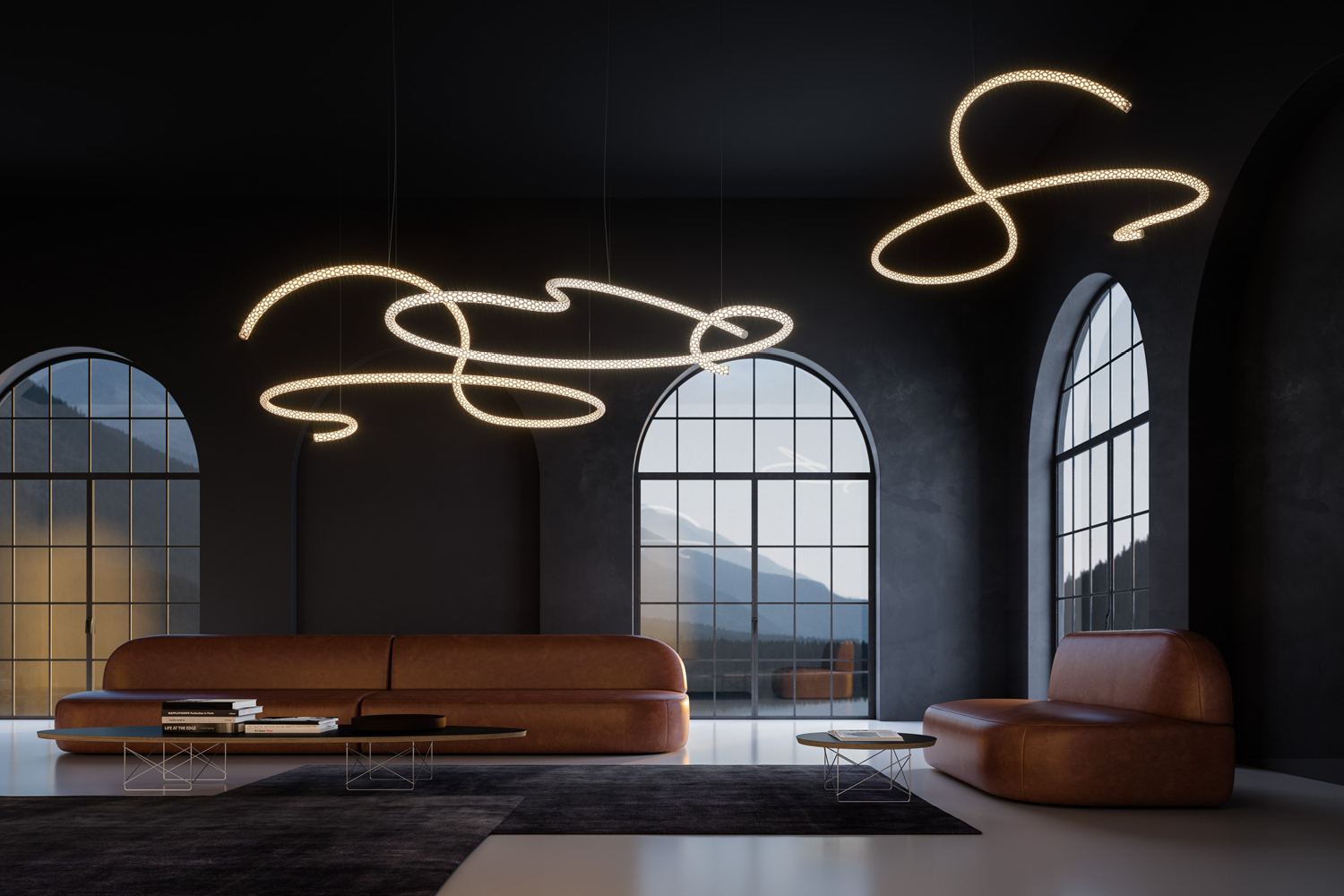
Why Switch to LED Lighting?
LED lighting (explore our LED lighting collection) is transforming homes and businesses with its unbeatable efficiency, style, and longevity. With energy costs on the rise and a growing focus on sustainability, now’s the perfect time to upgrade. If you’re new to LEDs or just looking for the best options, our LED Lighting Buyer’s Guide covers everything—from the basics to advanced FAQs.
Here’s a crash course in LED Lighting 101 to get you started on making the switch:
What is LED Lighting?
LED stands for Light Emitting Diode—a powerful, energy-efficient semiconductor that produces light through electroluminescence. Unlike traditional incandescent bulbs, LEDs use far less energy, generate minimal heat, and last much longer. Their compact size unlocks innovative designs and lighting solutions that were never possible before.
LED Lighting Essentials: Quick Facts
- Here’s what you need to know when choosing LED lighting:
- Exceptional Efficiency: LEDs use up to 80% less energy than incandescents, saving you money on your energy bill. Shop LED bulbs
- Long Lifespan: Most LEDs last 20,000–50,000 hours—years longer than standard bulbs.
- Greater Design Flexibility: The tiny size of LEDs allows for stunning shapes, ultra-slim fixtures, and creative lighting effects.
- Cool Operation: LEDs stay cool to the touch, reducing heat buildup and making them safer for your home.
- Mercury-Free: Unlike fluorescent bulbs, LEDs contain no mercury, making disposal safer and eco-friendly.
- Smooth Dimming: Many LEDs now offer “warm dim” technology, smoothly reducing both output and color temperature for perfect ambiance.
- Slow Fade, Not Burnout: LEDs gradually dim over time rather than failing abruptly.
- Measured in Lumens, Not Watts: Focus on lumens for brightness, not wattage.
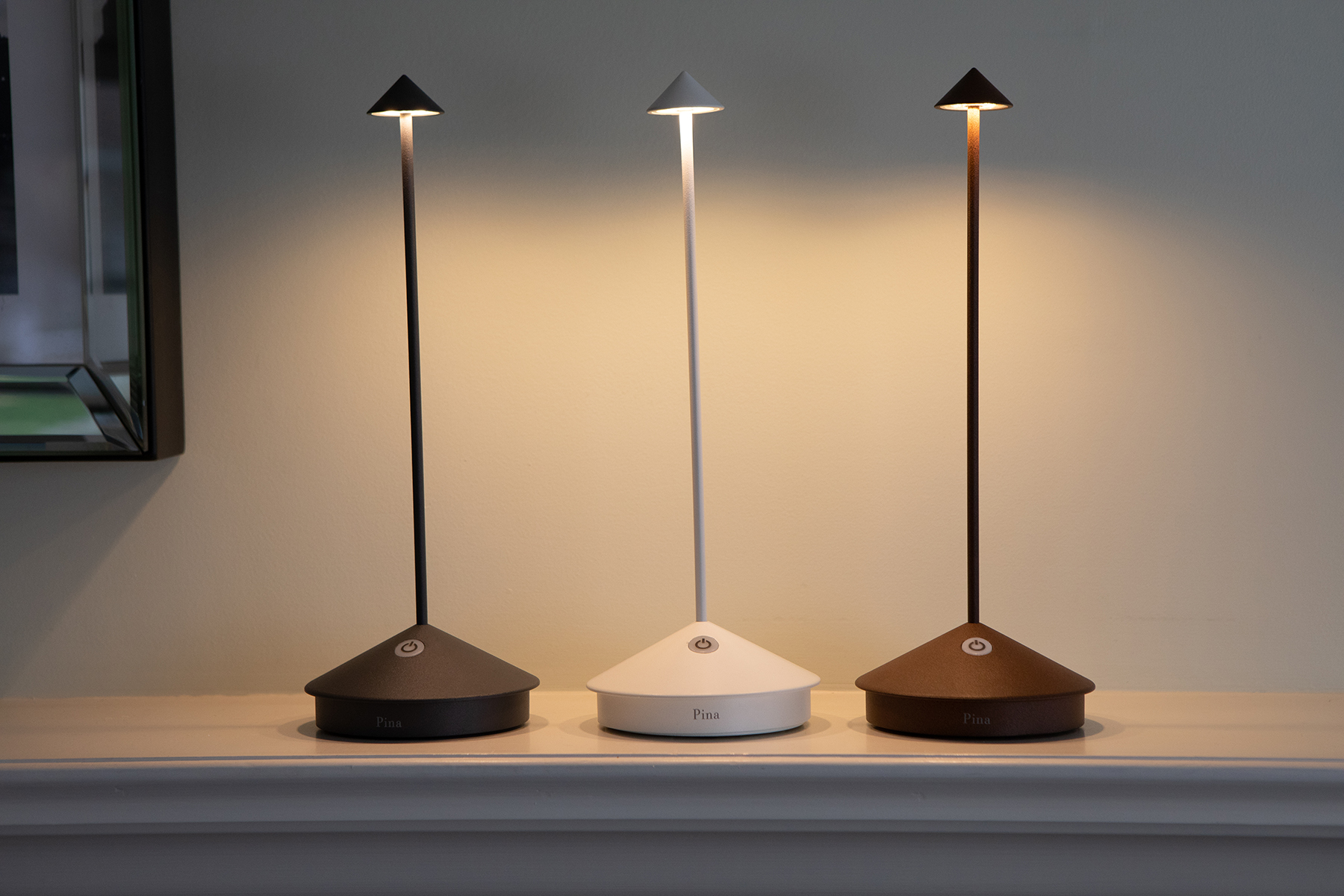
Compare Lighting Technologies
| LED | FLUORESCENT | HALOGEN | INCANDESCENT | |
| EFFICIENCY | Uses up to 80% less energy than an incandescent | Uses up to 75% less energy than an incandescent | Uses up to 30% less energy than an incandescent | 90% of energy is wasted as heat |
| AVERAGE LIFE SPAN (HOURS) | 50,000 | 10,000 | 1,000 | 1,000 |
| ANNUAL OPERATING COSTS | Low | Medium-Low | Medium | High |
| LIGHT OUTPUT (WATTS/800 LUMENS) | 6-8W | 13-15W | 45W | 60W |
| COLOR TEMPERATURE | Varies by product; select high-quality LEDs for consistency | Ranges from warm (3,000K) to cool (6,000K) | Ranges from warm (2,700K) to cool (5,500K) | Warm (2,700K) |
| COLOR RENDERING INDEX (CRI) | 80-90+ | Most are 60-70+ | 100 | 100 |
| DIRECTIONALITY | Directional | Multidirectional | Multidirectional | Multidirectional |
| DIMMABLE | Most | Few | Yes | Yes |
In-Depth LED Lighting Guide
Energy Efficiency
LEDs are industry leaders in efficiency—using only about 20% of the electricity required for the same light output as an incandescent bulb. Want to maximize your savings? Look for ENERGY STAR certified LEDs.
Efficiency of LED Lighting
Lumens measure brightness (not watts).
- A 60W incandescent = about 800 lumens.
| Incadescent Wattage | LED Wattage Equivalent | Lumens (Light Output) |
| 100w | Up to 22w | 1600 lumens |
| 75w | Up to 20w | 1100 lumens |
| 60w | Up to 12w | 800 lumens |
| 40w | Up to 9w | 450 lumens |
An LED only needs 6–12 watts to produce the same brightness.
Color Temperature: Customizable Ambiance
Every LED bulb has a Correlated Color Temperature (CCT), measured in Kelvin (K):
- Lower K (2,700–3,000K): Warm, cozy light—ideal for living spaces and bedrooms.
- Mid K (3,500–4,000K): Bright, inviting—great for kitchens, bathrooms, and offices.
Higher K (5,000–7,000K): Cool, daylight-like—perfect for task lighting and reading.
LEDs vs. Fluorescents
Both LEDs and fluorescents are efficient, but LEDs offer longer life, enhanced durability, and contain no mercury—making them the smarter, greener choice. Explore all modern LED fixtures.
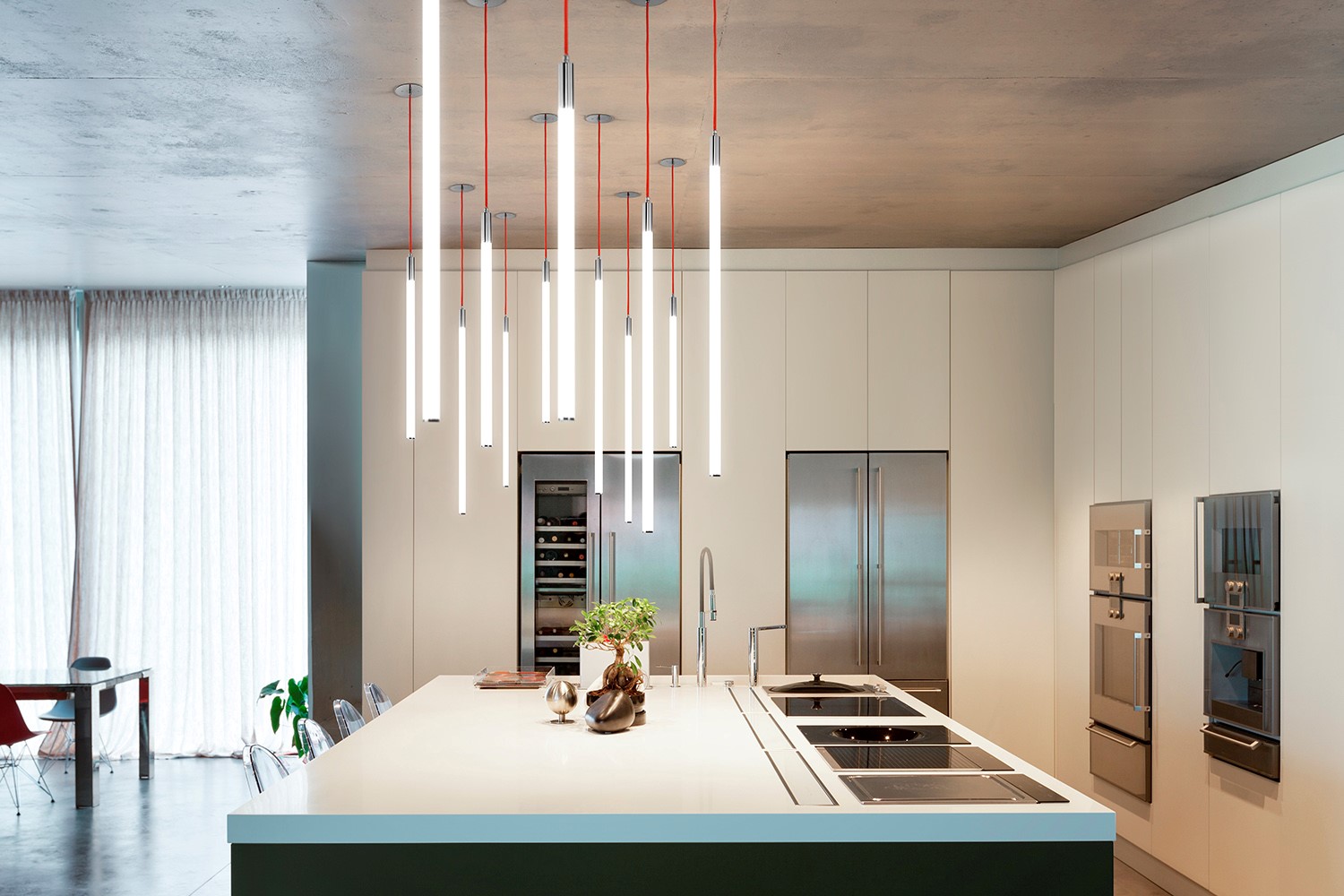
LEDs Versus Fluorescent Lighting
Both LED and fluorescent lighting are more efficient than incandescent: LEDs consume up to 90% less energy and fluorescents consume up to 75% less. Fluorescents are made of glass tubes and can shatter if dropped, whereas LEDs are more durable. Also, fluorescents contain trace amounts of mercury, and states are increasingly adopting special recycling rules.
Are There Any Drawbacks?
- Directional Light: Early LEDs were best for focused/task lighting; today’s models offer omni-directional and diffused options for any application.
- Quality Varies: Always buy from reputable brands for the best performance and color accuracy. Shop trusted lighting brands.
- Higher Upfront Cost: LEDs cost more initially, but pay for themselves quickly through energy savings and minimal replacement.
Why Are LEDs More Expensive?
LEDs contain sophisticated components—circuit boards, drivers, and specialty phosphors. Technology improvements and growing demand are steadily reducing prices, but quality still matters. Invest in top-rated LEDs for superior light and longevity.
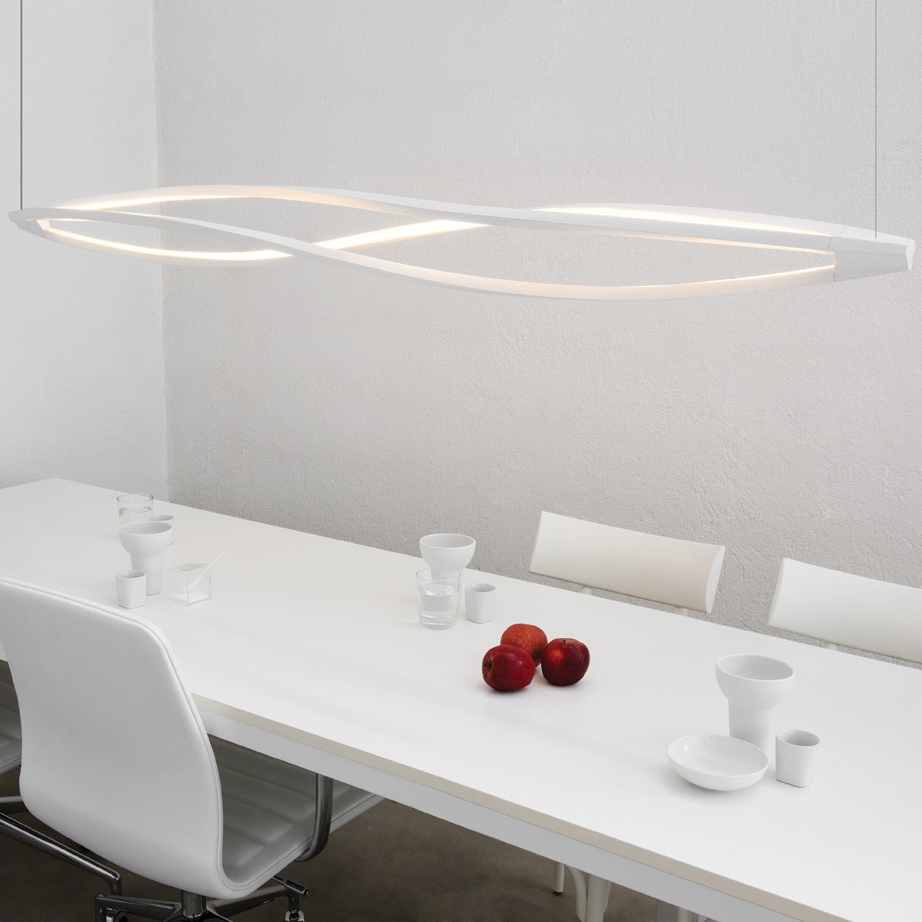
Where Should I Use LED Lighting?
The answer: Everywhere! Modern LEDs excel in:
- Chandeliers and pendants
- Task and reading lamps
- Cove and under-cabinet lighting
- Stairways and walkways
- Recessed lighting
- Hard-to-access fixtures (due to long life)
- Art displays (LEDs emit no UV, safe for artwork)
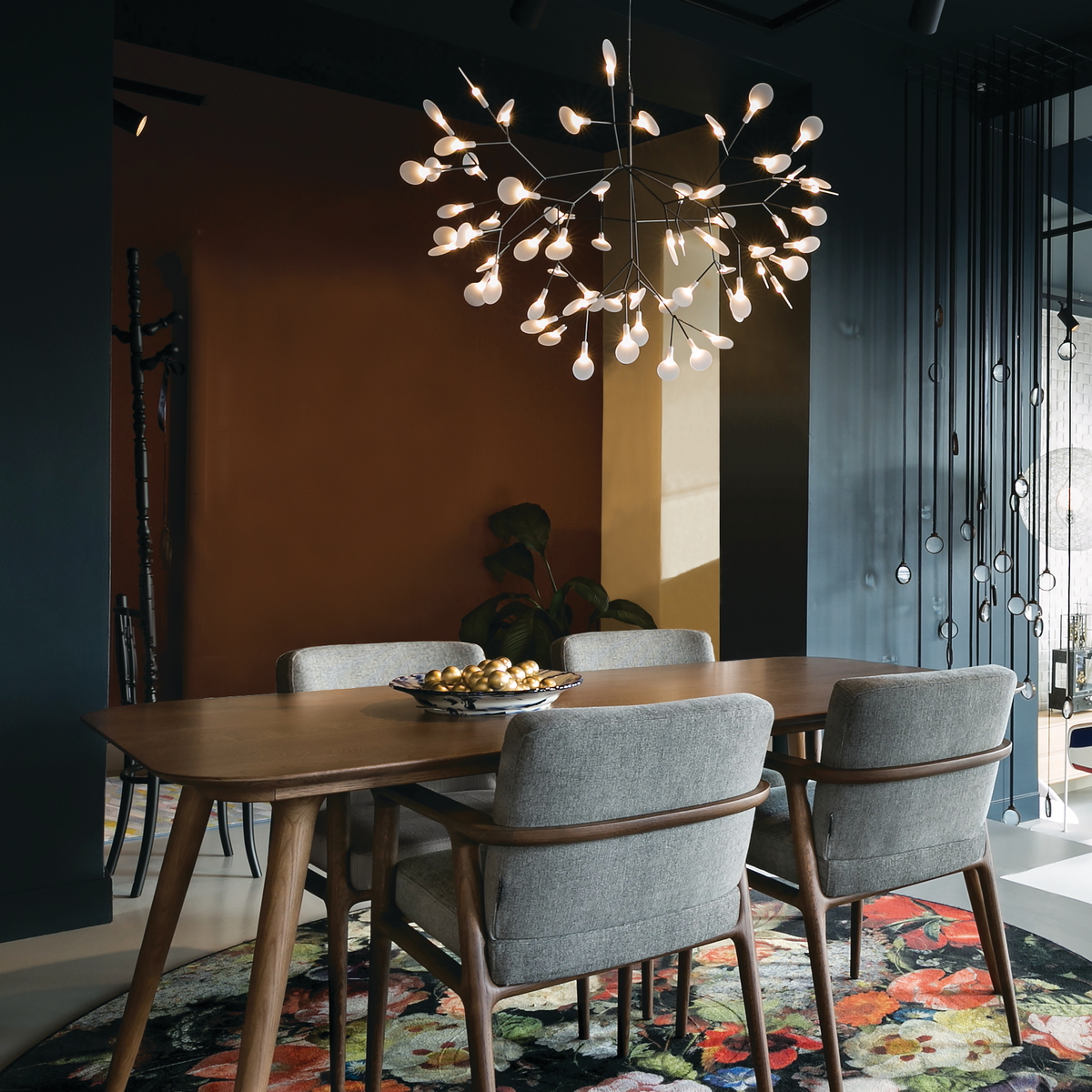
Understanding Warm vs. Cool LED Lighting
- Warm White (2,700K–3,000K): Soft, golden ambiance—perfect for relaxing environments.
- Cool White (4,000K+): Crisp, energizing—great for workspaces and kitchens.
- Daylight (5,000K+): Brilliant clarity for reading, hobbies, and detail work.
LED Lighting FAQs
What is CRI (Color Rendering Index)?
CRI measures how accurately a light source renders colors compared to daylight. LEDs with a CRI of 80+ are considered good; 90+ is excellent. Learn more in our CRI Guide.
What is “Integrated LED”?
An integrated LED fixture has built-in LEDs—no traditional bulb needed. Retrofit LEDs are screw-in bulbs designed for standard sockets.
Can I use LEDs in any fixture?
Most fixtures accept LED bulbs, especially with standard bases (E26, E12, GU10). For specialty sizes, check compatibility or explore LED retrofit options.
Are LEDs dimmable?
Many are—but always check before purchasing. Some require a compatible dimmer switch. Look for “warm dim” for a true incandescent-like effect.
How long do LEDs last?
Most LEDs are rated for 20,000–50,000 hours (some up to 90,000!). LEDs dim gradually with age rather than burning out. For a fixture used 3 hours a day, 50,000 hours equals over 45 years of use.