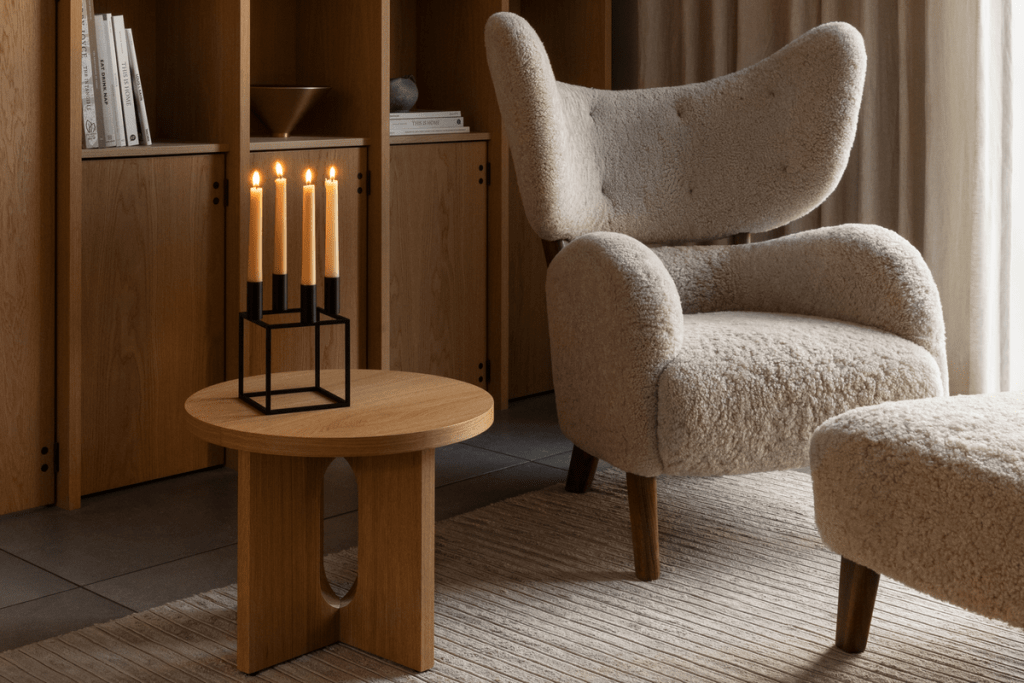
Light can affect more than just your ability to see and set the mood, it also can have an impact on your health. The following outlines important health considerations while planning ideal lighting solutions. This guide looks at how light shapes sleep, mood, and long-term health, and how to choose and use lighting well across the course of a day.

Natural and Artificial Light
Natural light plays an essential role in the life and development of humans, animals and plants. Sunlight undergoes dramatic changes over the course of the day and the year, shifting in color temperature as dawn turns to dusk and gradually changing position, resulting in longer or shorter days. Additionally, natural light changes in lumens, or brightness, depending on the time of day.
Artificial light is created by converting non-visible energy into visible energy. The earliest examples of this include burning wood, oils and coal. In the early 1800s, artificial light was created using gas, and by 1880, the incandescent bulb was born. In the 1990s, the blue LED breakthrough made bright, efficient white light possible, and the white Light Emitting Diode, or LED, soon followed.
The History of the Light Bulb
Learn More
Beyond setting the visual scene, daytime light carries measurable health benefits. Bright light during the day supports better sleep at night, along with steadier mood and sharper alertness, as researchers at Harvard Health have documented. Time spent in natural daylight also helps the body produce vitamin D, a nutrient tied to bone and immune health. Designing for daylight, through unobstructed windows and considered fixture placement, lets these benefits shape everyday life at home.

The Circadian Rhythm
Whether natural or artificial, light has a powerful effect on all living beings. This is most notable in the Circadian Rhythm, a biological process that controls the sleep-wake cycle and, ultimately, behavior and alertness. Light sends signals to our brain through our photosensitive eyes, indicating when it’s time to be alert and when it’s time for sleep.
Morning and bright light reach the eyes and signal a small region of the brain, the suprachiasmatic nucleus (SCN), to lower melatonin and raise alertness. As evening darkness sets in, the same system allows melatonin to rise and prepares the body for rest. This mechanism is detailed by the National Institute of General Medical Sciences. Because of this, both the timing and color temperature of light matter. Cooler, brighter light during the day and warmer, dimmer light at night keep the body’s rhythm aligned.
This is the principle behind circadian, or human-centric, lighting for the home: fixtures, bulbs, and dimmable and tunable controls that shift in intensity and warmth as the day progresses. Lumens’ assortment makes it straightforward to build a scheme that works with the body’s natural cycle rather than against it.
How Light Affects Mood and Mental Health
Light does more than regulate sleep; it also shapes how we feel. Exposure to sunlight is thought to help maintain healthy levels of serotonin, a neurotransmitter associated with steady, positive mood. When daylight grows scarce in the shorter, darker months, some people experience Seasonal Affective Disorder (SAD), a form of depression tied to the change in season. According to the National Institute of Mental Health, bright morning light and light therapy are recognized approaches for easing its symptoms.
These findings point to a design opportunity: a home can be planned to support well-being. Prioritize window placement that captures daylight, layer lighting so rooms can move from bright to soft, and add bright task light in work areas where focus and energy matter most.
The Hazards of Blue Light
When the fluorescent light bulb was invented in the 1930s, it emitted a distinctively blue hue. This was quite different from the warm tones found in natural light or fire, gas and incandescent light. Fluorescent bulbs disrupted the natural color light we were used to and, soon enough, it became synonymous with bleak office settings and a headache-inducing flicker.
While fluorescent lighting has waned in popularity with the advent of LEDs, today’s blue light can still pose a threat to photobiological safety; too much exposure can damage the retina.
Timing compounds the risk. Harvard Health researchers report that blue light in the evening suppresses melatonin more powerfully than other wavelengths and can shift the circadian rhythm, disrupting sleep. To protect rest, limit bright screens two to three hours before bed, favor warm, dim light in the evening, and consider red-toned night lights.

Light Pollution and Flicker
Aside from causing confusion and significant danger for wildlife, light pollution suppresses melatonin, a chemical in the body that supports immune function and regulates the circadian rhythm. DarkSky International (formerly the International Dark-Sky Association) has established standards to ensure certain fixtures are designed to illuminate without contributing to light pollution.

Flicker refers to the fluctuation of light output from on to off. This can range from an electrical frequency at high speeds to physically flipping a light switch. In sensitive people, light oscillation slower than 50Hz results in flicker that can lead to headaches, eye strain, fatigue and even seizures. A couple of the best ways to avoid flicker are to avoid dimmed light sources and cheap LEDs.
Lighting for Specific Needs
In environments where there may be those with vision-related medical conditions, it’s important to consider lighting solutions for their needs. Glare can cause low visibility for seniors, so avoid bright, direct light sources and opt for indirect, diffused fixtures instead. Other needs include those with low vision or learning disorders and newborns.
How to Use Light Through the Day for Healthier Living
Aligning light with the body’s clock is straightforward with the right fixtures. These five steps translate the science into a daily rhythm.
- Start With Bright, Cool Light in the Morning. Cool, high-output light early in the day cues alertness. Flush mounts, recessed fixtures, and full-spectrum bulbs deliver even, energizing brightness.
- Maximize Daylight During the Day. Position a desk or reading chair near windows to capture natural light. On overcast days, a well-placed task lamp keeps work areas crisp and legible.
- Shift to Warm, Dimmable Light in the Evening. As the day winds down, lower both brightness and color temperature. Table lamps and floor lamps on dimmers make the transition effortless.
- Minimize Blue Light Before Bed. Choose bedside lamps and wall sconces with warm bulbs and soft, indirect output. Keep bright screens out of the bedroom to protect sleep.
- Choose Quality LEDs and Compatible Controls. Well-made LED fixtures paired with the right dimmers and controls reduce flicker and glare, keeping every room comfortable to the eye.
Frequently Asked Questions
How Does Light Affect Health?
Light governs the circadian rhythm, the internal clock that regulates sleep, alertness, mood, and hormone release. The National Institute of General Medical Sciences explains that the SCN controls melatonin based on the light the eyes receive. Consistent, well-timed light supports rest and daytime energy.
What Is the Healthiest Light to Sleep In?
The healthiest sleep environment is dark, since darkness allows melatonin to rise. If a night light is needed, warm, dim, red-toned light is least disruptive to the sleep cycle, according to Harvard Health.
Can Too Much Light Cause Anxiety?
Bright light at the wrong time, especially in the evening, can suppress melatonin, disrupt sleep, and leave you feeling on edge. Keeping evenings warm and dim helps the body settle, while bright morning light supports steadier mood during the day.
Is a Little Daily Sunlight Good for You?
Yes. Harvard Health notes that daytime light exposure supports better sleep, mood, and alertness. Time in sunlight also helps the body produce vitamin D, so a short daily dose of natural light is a simple, restorative habit.
What Color Temperature Is Best for Health?
It depends on the time of day. Cooler, brighter light suits mornings and work areas, while warmer, dimmer light suits evenings and bedrooms. Dimmable and tunable-white fixtures let a single room serve both needs.
Light is one of the most powerful, and most overlooked, tools in home design. A scheme that moves from bright and cool by day to warm and dim by night supports better sleep, mood, and long-term well-being. Thoughtful fixtures and controls make that rhythm effortless to live with.