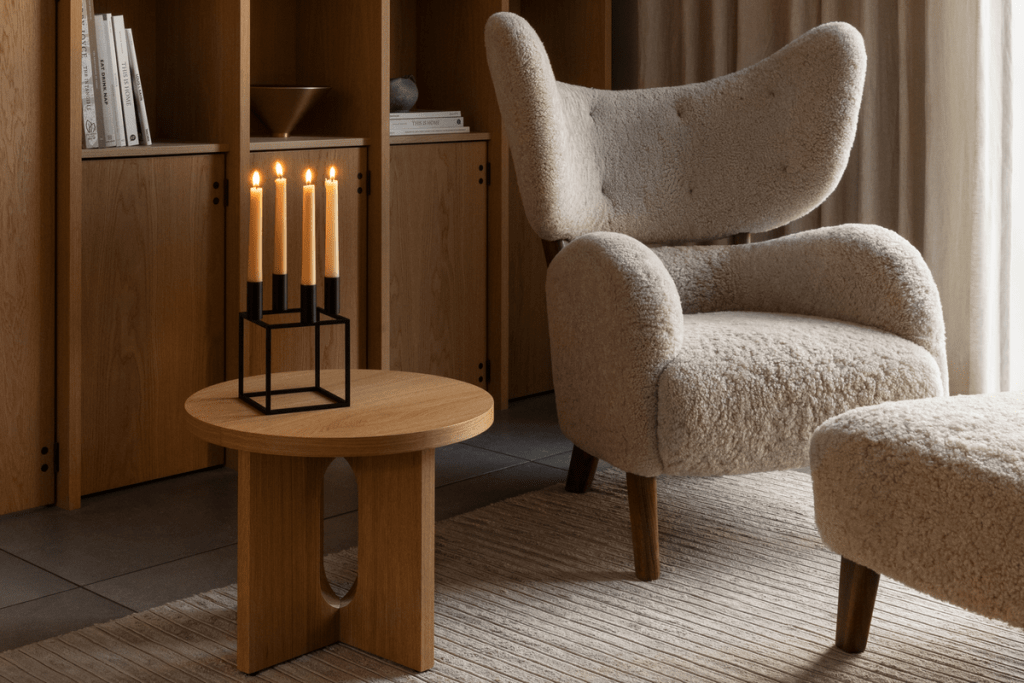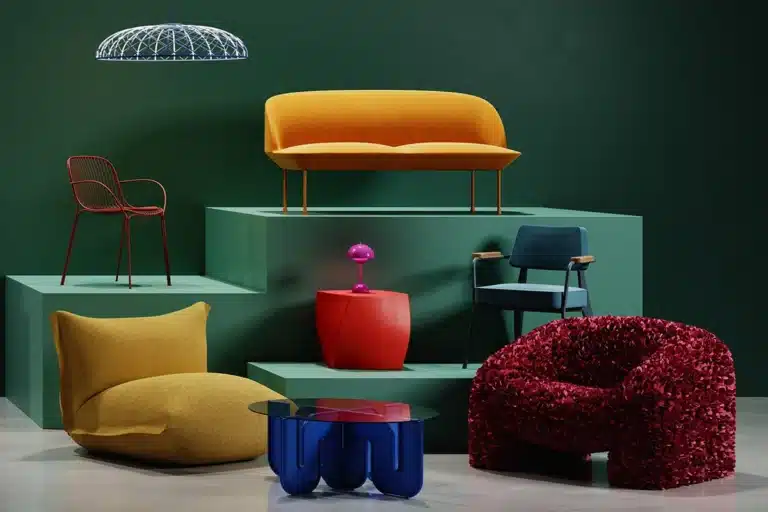
While full-time furniture pieces like lounge chairs, sectionals and dining sets have long held the spotlight in interior design, waiting in the wings is the unsung hero of home decor: accent furniture. These smaller yet no-less-impactful pieces can transform a space, infusing entryways and living spaces with style, personality and a subtle but intentional flair of sophistication.
Complementing an existing furniture ensemble, accent furniture has the ability to add depth and visual interest to interior spaces, breathing new life into tired corners or sprucing up minimalist designs. Unlike their larger counterparts, accent pieces aren’t intended to dominate a room. Instead, accent seating, tables and decor add artful punctuation to interior spaces, making practical, functional use of nooks and crannies throughout the home. As modern interiors continue to favor collected, considered spaces over matched sets, accent furniture remains one of the most effective ways to layer in personality today — and the guidance below reflects how designers are approaching these pieces now.
What Is Accent Furniture?

Accent furniture refers to decorative, secondary pieces designed to complement—rather than anchor—a room’s primary furnishings. Unlike sofas, sectionals, dining tables, and beds that define a space’s core function, accent furniture adds visual interest, personality, and an additional layer of design intention.
These pieces tend to be smaller in scale and more style-driven than their utilitarian counterparts. An accent chair, sculptural side table, or artful console exists to punctuate a room, introduce color or texture, and create moments of discovery. Because accent furniture is typically lighter and more mobile, it offers flexibility: a statement stool can shift from living room to bedroom as needs evolve. The best accent pieces feel curated rather than obligatory—each one contributing to a cohesive, intentional interior without overwhelming the space.
Accent Seating: From Chairs to Benches and Poufs
One of the most versatile categories of accent furniture is accent seating. Whether it’s an elegant occasional chair nestled into a cozy corner, a colorful ottoman or a simple bench, accent seating offers additional—and flexible—places for relaxation while providing an opportunity to introduce rich textures, bold patterns or unexpected colors that can seamlessly elevate a room’s decor and ambiance.

Identify the Perfect Spot: Look for an empty corner, a nook ripe for reading or a bare wall that could benefit from an accent chair. Consider the room’s overall design and choose a chair with materials or upholstery that complements the existing furniture and color scheme.
Embrace Variety: Experiment with different styles, shapes and materials. A classic wingback design or the timeless curves of a mid-century modern chair? Choose a fabric, pattern or material that fits the room’s aesthetic.
Create a Cozy Vignette: Surround the accent chair with a small side table or a sleek floor lamp to enhance the space’s functionality. Add a decorative throw pillow or a cozy blanket for extra comfort and visual appeal.

Define the Purpose: Determine exactly how the bench can be of utmost use. Will it serve as a decorative element in the entryway or as seating at an extendable dining table? Understanding the bench’s purpose will help in selecting the right size, style and material.
Consider Storage: Many benches come with built-in storage options, providing a practical solution for stashing shoes, blankets and books. A bench can become an attractive small-space design solution where maximizing functionality is essential.
Style Your Accent Bench: Add cushions or seat pads to include a pop of color or unexpected texture to the room’s mise-en-scene. Decorative pillows, baskets or plants can also create an inviting, personalized look.

Flexible Seating: Poufs and low stools are ideal for providing additional seating options in living rooms, bedrooms or outdoor spaces—provided you select a material that can weather the natural elements. Arrange these pieces around a coffee table or in a circle for an intimate-yet-casual gathering spot.
Mix and Match: Create an eclectic and visually appealing arrangement by playing with different shapes, textures or sizes. Consider incorporating a mix of solid colors, patterns or materials like leather or woven fabrics.
Multifunctional Marvels: Poufs and low stools can also serve as footrests, makeshift tables and even decorative accents. A tray placed on top of a wooden stool or boucle pouf creates an eye-catching display for your favorite pieces of home decor.
Accent Tables: Centerpieces of Style + Functionality

Nestled beside a sofa or an armchair, a tasteful side table can be home to a well-loved to-be-read pile, a carefully curated collection of photos or mementos, or a convenient place to set down a morning coffee or an evening cocktail. A slender console table adds convenience and style to hallways or entryways, while a low coffee table can become the centerpiece of a living room. The key is to select an accent table that harmonizes with the existing aesthetic, whether it be vintage, modern or eclectic, while adding a distinct touch of charm.
A quick reference for the most versatile accent table types and where they work best:
| Type | Best Use | Typical Placement |
|---|---|---|
| Coffee Table | Anchoring a seating arrangement; display and everyday convenience | Centered in front of a sofa or sectional |
| End/Side Table | Holding a lamp, book, or drink within arm’s reach | Beside a sofa arm, accent chair, or bed |
| Console Table | Creating an entry moment or filling a wall-adjacent space | Entryways, hallways, behind sofas |
| Cocktail Table | Facilitating conversation in more formal or intimate settings | Living rooms, lounges, sitting areas |
Perhaps the most well-known of accent tables is the coffee table. Often serving as the focal point of the living room, coffee tables combine style and functionality and come in a range of sizes, shapes and materials.

Proportions and Placement: Consider the size and scale of the living room to determine the ideal coffee table dimensions. Ensure that the size selected complements the surrounding furniture—not too large and not too small—without overwhelming the space. Place the accent table within easy reach of the seating area, allowing for a comfortable and convenient surface to place drinks, books, candles or other decor.
Style and Material Selection: Choose a coffee table that aligns with the overall design aesthetic of the living room. For a contemporary look, opt for slim, minimalist designs with materials like glass or metal. If you prefer a more rustic or traditional feel, look toward wooden tables with intricate detailing or finishes to add warmth and character to the room.
Accent Decor: Design Is in the Details

Incorporating accent decor, like glassware or vases, a few handpicked items from a personal collection, or even a well-placed table lamp can add a sense of curated artistry to interior spaces. Vases and glassware can serve as a home for fresh or faux flowers, branches or greenery while bringing a natural vibrancy to the indoors, while table lamps provide both functional lighting and visual interest, contributing to the overall ambiance and mood of the space. Carefully selected and placed accent decor can serve to spark conversation or guide the eye, adding depth to a room’s overall character.
How to Mix and Match Accent Pieces
One of the most common questions in furniture selection: must an accent chair match the sofa? The short answer is no—and often, intentional contrast yields a more dynamic, collected result. A room furnished entirely in matching upholstery can read as safe but static. Introducing an accent chair in a different silhouette, material, or color creates visual dialogue and depth.
When mixing metals and finishes alongside wood tones, anchor the composition with one repeated element. A brass floor lamp near a brass-legged side table, for instance, establishes continuity even as other pieces introduce bronze, blackened steel, or natural oak. The goal is cohesion through repetition, not uniformity. Two or three shared tones or materials woven throughout a space allow for variety without visual chaos.
Accent Furniture FAQ
What is accent furniture?
Accent furniture comprises secondary, style-driven pieces that complement a room’s primary furnishings. These items—accent chairs, side tables, consoles, and decorative objects—add visual interest, personality, and design intention without serving as the functional anchor of a space.
Does an accent chair have to match the sofa?
No. Intentional contrast often creates a more dynamic, curated interior than matching upholstery. Selecting an accent chair in a different silhouette, fabric, or color introduces depth and visual dialogue while allowing each piece to stand on its own.
How do I choose the right accent table?
Consider both scale and function. The table should relate proportionally to adjacent seating—neither towering above nor disappearing below the arm of a sofa or chair. Material and finish offer opportunities to echo or complement other elements in the room.
What is the best fabric for an accent chair?
The ideal fabric depends on the chair’s role and location. Performance fabrics and leather withstand high-traffic areas with grace, while velvet and bouclé bring texture and warmth to spaces prioritizing aesthetics over heavy daily use.
How many accent pieces should a room have?
There is no universal number. The key is balance: each piece should contribute to the room’s composition without crowding the space. Preserve negative space, allow furnishings room to breathe, and curate with intention rather than accumulation.
Accent furniture proves that the smallest gestures often carry the greatest impact. Thoughtfully chosen seating, tables, and decor bring depth, function, and personality to a room, layering in the character that turns a house into a considered, collected home.