Lighting does more than illuminate a room. It shapes how we perceive a space, not only through brightness, but in the way it reveals color, texture, and material. One of the most important factors influencing how a room appears is the Color Rendering Index, commonly referred to as CRI.
The Color Rendering Index measures how accurately a light source reveals colors compared to natural daylight. The richness of wood grain, the subtle undertones of paint, the vibrancy of hanging artwork, and the way skin tones appear in a mirror are all influenced by CRI. Understanding this measurement helps designers and homeowners choose lighting that allows the full character of a room to emerge.
What Is the Color Rendering Index (CRI)?
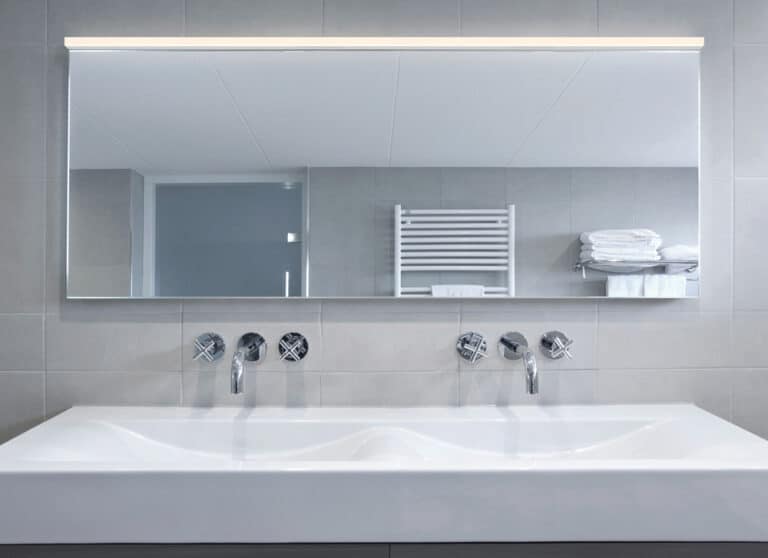
The Color Rendering Index (CRI) is a measurement used in lighting design to evaluate how faithfully a light source displays the true colors of objects when compared with natural sunlight.
CRI is measured on a scale from 0 to 100, with higher values indicating more accurate color representation. The closer a light source approaches 100 CRI, the more naturally colors appear under that illumination.
High-quality residential lighting typically offers a CRI of 90 or above, providing excellent color clarity and visual balance. Lower CRI lighting can cause colors to appear dull, washed out, or distorted. Reds may look muted, whites may shift toward gray, and natural materials such as wood, stone, and fabric can lose depth and nuance.
CRI is especially relevant when evaluating LED fixtures, which vary significantly in color rendering depending on phosphor blend and driver technology. Unlike incandescent sources that naturally produce full-spectrum light, LED color rendering is engineered, making CRI a critical specification to check.
Many people have experienced poor color rendering without realizing its cause. A mirror lit by harsh lighting can make skin tones appear flat or unnatural, in part because of weak performance at R9, the saturated red value not included in the standard CRI average. Lighting with a high CRI and strong R9 reveals colors more faithfully, allowing materials and objects to appear closer to how they look in daylight.
Why High CRI Lighting Matters in Interior Design
In thoughtfully designed interiors, lighting should reveal materials as they were intended to be seen. High-CRI lighting preserves the depth of natural wood, the subtlety of paint colors, and the tonal variation found in textiles, artwork, and architectural finishes.
Low-CRI lighting can subtly flatten a space. Colors appear muted, whites lose clarity, and layered materials begin to blend together. The room may feel dull or visually imbalanced, even if the brightness level itself is sufficient.
Because of this, designers consider CRI alongside other lighting specifications such as lumen output, beam spread, and color temperature. When these elements work together, lighting supports the architecture and materials within a room rather than competing with them.
In residential environments, accurate color rendering contributes to spaces that feel more natural, comfortable, and visually cohesive.
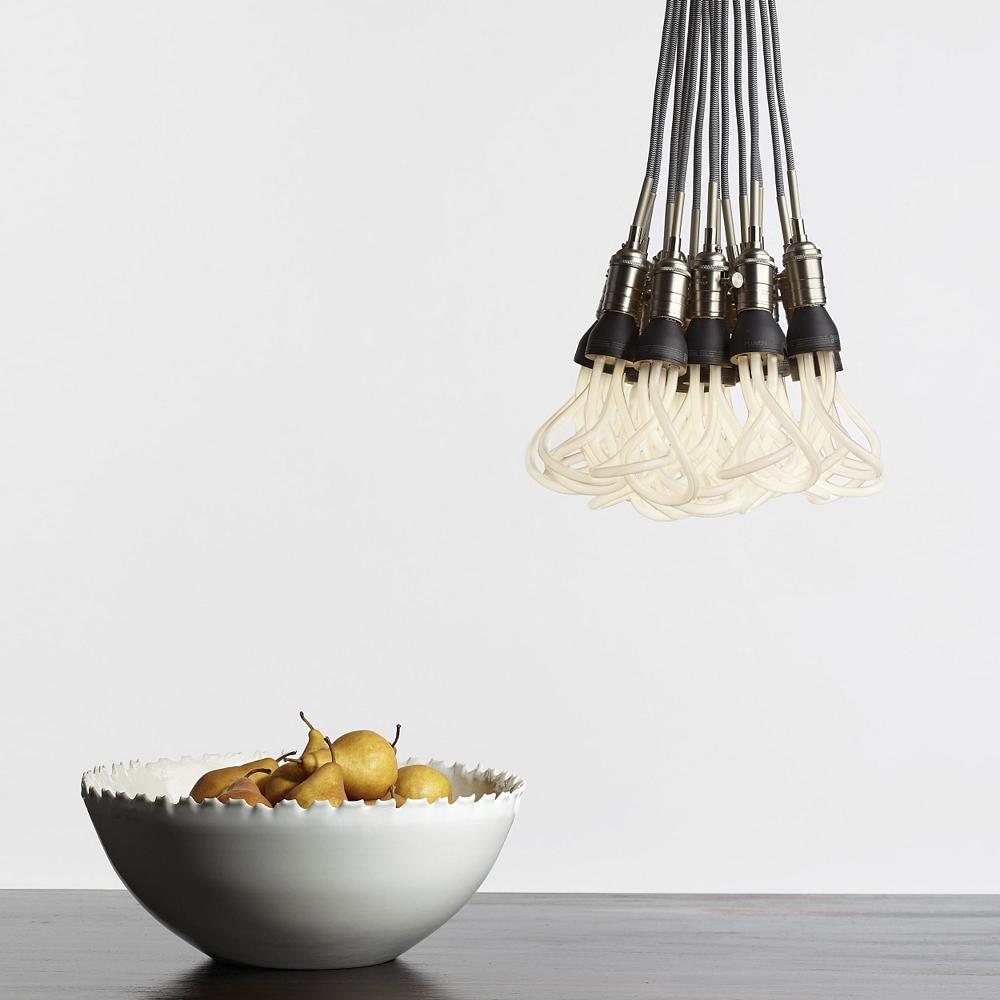
CRI vs. Color Temperature: Understanding the Difference
CRI is often discussed alongside color temperature, but the two measurements describe different qualities of light. Color temperature, measured in Kelvin (K), describes the visual warmth or coolness of light. Lower Kelvin values, around 2700K, produce warm, ambient illumination typically used in residential interiors. Higher Kelvin values create cooler, daylight-like lighting.
CRI, by contrast, measures how accurately colors appear under that light. Two light sources may share the same color temperature yet produce very different visual results depending on their CRI rating. A warm 2700K bulb with low CRI can make colors appear muddy or muted, while a 2700K bulb with a CRI above 90 reveals richer tones and clearer detail.
Understanding both measurements helps ensure lighting achieves the right balance between atmosphere and color accuracy. To learn more about color temperature, check out our guide on Understanding Kelvin Color Temperature.
What Is Considered a Good CRI for Home Lighting?
For most residential lighting applications, designers recommend a CRI rating of 90 or higher.
Lighting quality generally falls within the following ranges:
| Rating | CRI Score | What It Means |
|---|---|---|
| Exceptional | 95–100 | Highest color accuracy. Ideal for art displays, design studios, and rooms where paint, textiles, and natural materials must appear exactly as specified. |
| Excellent | 90–94 | Vivid, true-to-life color. The recommended standard for kitchens, bathrooms, living rooms, and bedrooms with intentional material palettes. |
| Acceptable | 80–89 | Adequate for utility spaces (garages, closets, laundry rooms). Falls short where paint undertones and fabric hues need to read accurately. |
| Poor | Below 80 | Colors appear washed out or distorted. Not recommended for any space where design intent matters. |
A CRI of 80 may suffice for a storage area, but in a room with an intentional material palette, even the difference between 80 and 90 is visible. Wood tones lose warmth, whites shift, and fabric colors read differently than they do under natural light.
Where High CRI Lighting Makes the Biggest Difference

Although accurate color rendering improves any environment, certain spaces benefit particularly from high-CRI lighting:
- Kitchens: High CRI reveals the true color of ingredients and surfaces while preserving the visual warmth of stone countertops, wood cabinetry, and tile.
- Bathrooms and dressing areas: Accurate skin tone rendering supports grooming and makeup application, and ensures tile, marble, and fixture finishes read as specified.
- Living rooms and bedrooms: Layered materials (wood, textiles, artwork, decorative objects) appear richer and more dimensional under high-CRI lighting.
- Home offices and creative studios: Accurate color perception ensures materials, samples, and displays are evaluated under consistent, faithful illumination.
In each of these environments, lighting supports not only visibility but also the overall experience of the space.
How Designers Choose Lighting with the Right CRI
When evaluating lighting fixtures, professionals typically consider several specifications together:
- Color Rendering Index (CRI) for color accuracy
- Color temperature (Kelvin) for atmosphere
- Lumens for brightness
- Beam spread for light distribution
Many contemporary fixtures feature integrated high-CRI LEDs, which maintain consistent color performance throughout the life of the fixture. Because lighting is often layered, high CRI helps ensure colors remain consistent across multiple sources of illumination.
How CRI Is Measured
CRI is calculated by comparing a light source’s rendering of eight standardized test color samples (R1 through R8) against a reference illuminant at the same color temperature. Each color receives a score from 0 to 100, and the general CRI is the average of all eight.
The standard CRI average does not include R9, the saturated red test value. R9 is reported separately and is important for skin tones, food presentation, and artwork with warm palettes. A fixture can score 90 CRI while rendering reds poorly if its R9 is low.
Because CRI averages only eight colors, two sources with identical ratings can render specific hues differently. This is why manufacturers increasingly report R9 values on specification sheets.
CRI Across Different Light Sources
Not all light sources produce the same color rendering quality. Understanding typical CRI ranges helps explain why fixture selection matters.
- Incandescent and halogen: 95 to 100 CRI. Full-spectrum light makes these the traditional reference standard.
- LED: 70 to 98+ CRI depending on quality. Color rendering depends on phosphor coatings and driver design, making the CRI spec essential to check.
- Fluorescent: Typically 50 to 85 CRI, which is why colors often appear flat under standard tubes.
- Sodium and mercury vapor: Often below 40 CRI. Common in older street and industrial installations.
Modern high-quality LEDs approach incandescent-level accuracy while being far more efficient. Lumens curates high-CRI LED fixtures across every category. To learn more, explore The Lumens Guide to LED or browse LED Light Bulbs.
Beyond CRI: TM-30 and Modern Color Quality Standards
CRI remains the most widely referenced color rendering metric, but it has limitations. Because it evaluates only eight color samples, it can miss nuances across the full visible spectrum.
The Illuminating Engineering Society’s TM-30 standard addresses this by testing 99 color samples and measuring both fidelity (accuracy) and gamut (saturation). For designers doing deep specification work, TM-30 data offers additional precision. That said, CRI remains the standard most commonly reported by manufacturers and is a reliable starting point for evaluating color quality in residential lighting.
Frequently Asked Questions About CRI
What Is a Good Color Rendering Index for Home Lighting?
A CRI of 90 or higher is recommended for most residential spaces, ensuring paint colors, wood tones, and finishes appear true to their intended appearance.
Expert Tip: For rooms with carefully specified stone, tile, or artwork, look for 95+ CRI. The difference is most noticeable on saturated colors and natural materials with subtle tonal variation.
Is 80 CRI Good Enough?
A CRI of 80 is adequate for utility areas (garages, closets, storage). In rooms with intentional design, 80 CRI falls short: paint undertones shift, wood finishes lose warmth, and fabric colors may not read as specified.
Expert Tip: Reserve 80 CRI for functional spaces. For any room with a considered material palette, prioritize 90+ CRI to protect the integrity of those choices.
What Is the Difference Between CRI and Color Temperature?
CRI measures how accurately colors appear. Color temperature (Kelvin) describes whether light appears warm or cool. Two bulbs can share the same color temperature but differ significantly in CRI.
Expert Tip: A 2700K bulb below 80 CRI can flatten a room, while the same warmth at 90+ CRI reveals the full depth of your materials. See our guide on Understanding Kelvin Color Temperature.
How Is CRI Measured?
CRI compares a light source’s rendering of eight test colors (R1 through R8) against a reference illuminant. Each color receives a score; the CRI is the average. R9, measuring saturated red, is reported separately.
Expert Tip: Look for both CRI and R9 on fixture spec sheets. A high CRI with a low R9 means warm tones (skin, wood, red textiles) may still render inaccurately.
Does CRI Matter for LED Lights?
Yes. LED color rendering is engineered through phosphor coatings and driver design, so CRI ranges from below 70 to above 98. Checking CRI is one of the most important steps when selecting LED lighting.
Expert Tip: On an LED spec sheet, look for CRI alongside color temperature and lumen output. Quality residential LEDs offer 90+ CRI. For more, explore The Lumens Guide to LED.
The Role of CRI in Contemporary Lighting Design
-
Lighting design today places increasing emphasis on visual comfort, material authenticity, and the overall experience of a space. CRI plays a central role in achieving these goals.
High-quality lighting allows interiors to be experienced more fully. Materials reveal their natural variation, colors appear richer, and architectural details become clearer. As LED technology advances, high-CRI options are available across every fixture type and price point, making it easier to specify accurate color rendering throughout a project.
For designers and homeowners alike, understanding the Color Rendering Index is an important step toward selecting lighting that enhances both the appearance and atmosphere of a home.
Explore more guides:
Light Bulb Facts: The Meaning of Lumens