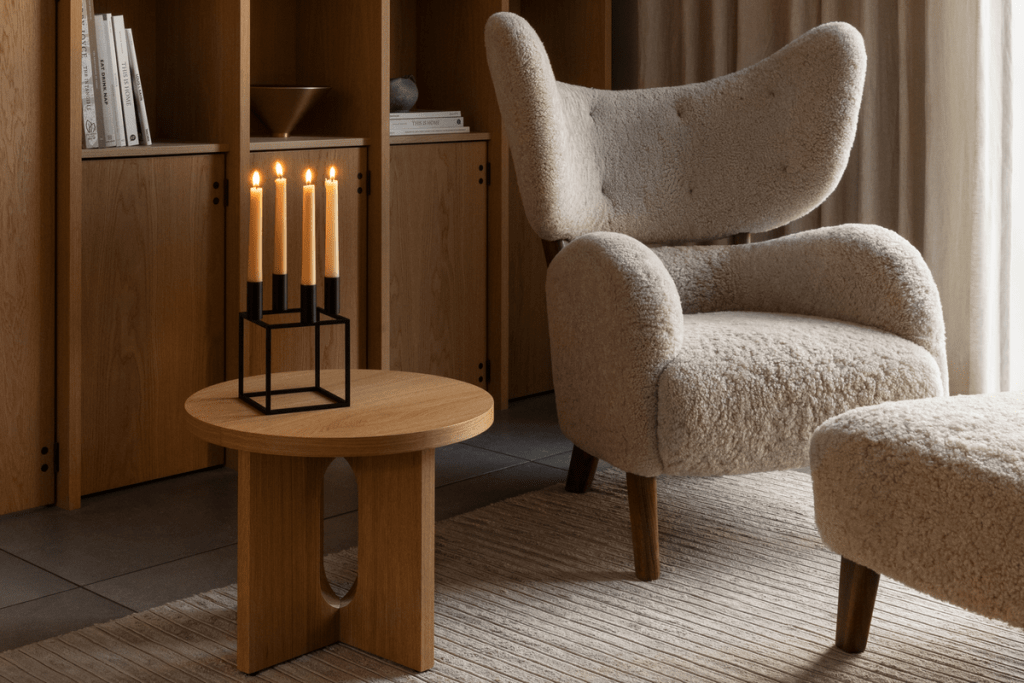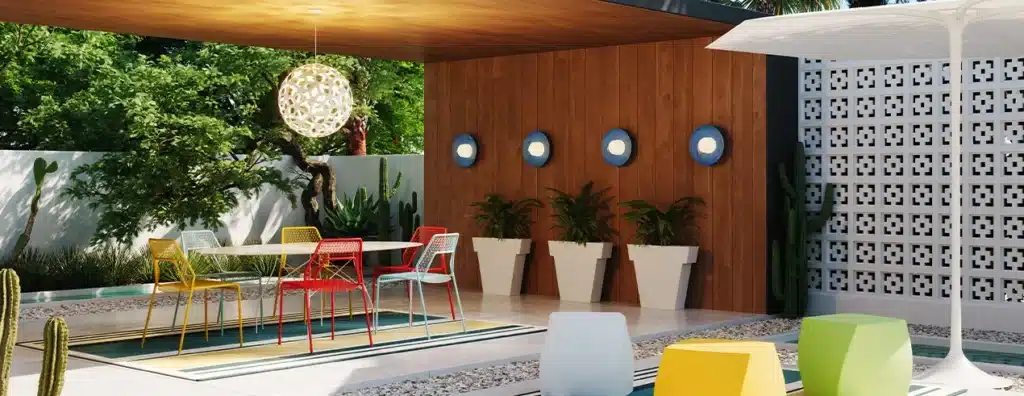
Channeling elements of mid-century modern, minimalism, and a bohemian touch, there’s something about the look that is quintessentially Californian. California modern interior design is a contemporary evolution of mid-century modern, shaped by the state’s indoor-outdoor lifestyle, clean lines, natural light, and natural materials.
This guide traces the history of California Modern and breaks the aesthetic into its core design principles, pairing each one with specific, shoppable designer pieces to bring the look home.
Origin and Influences: Striking Gold in Residential Spaces
California Modern architecture and design emerged in the mid-20th century, influenced by post-World War II urbanization and a demand for innovative residential and commercial spaces. Architects like Joseph Eichler and designers such as Charles and Ray Eames shaped the aesthetic, drawing inspiration from mid-century modern design, Scandinavian minimalism and the bohemian spirit. Rooted in California’s cultural and creative ethos, the style emphasizes simplicity, functionality and a harmonious connection with nature, all tenets which are valued in the 21st century.
Mid-Century Lines

Clean lines are a foundational element of California Modern design. Inspired by iconic mid-century modern and Scandinavian styles, these sleek contours infuse a sense of simplicity and order into your space. Consider incorporating smooth domes, spheres, and drums as lighting fixtures to maintain a clean and uncluttered ambiance.
Light, Breezy Tones

To evoke the calming feeling of a gentle coastal breeze, opt for a light and airy color scheme. Whites, grays and soft pastel tones work harmoniously with clean lines, creating an atmosphere of simple sophistication. With a predominantly lighter palette, richer accent colors can make a striking statement. Shades of yellow, orange, coral, turquoise and navy blue add vibrancy and visual interest.
Expert Tip: California’s strong, warm daylight shifts a white toward yellow or gray at different hours. Choose a white with a subtle warm undertone so walls and upholstery stay soft and consistent from morning through golden hour, rather than turning clinical.
Bohemian Accents

While bohemian textiles are a prominent element in California Modern style, it’s important to strike a balance to maintain a luxurious and sophisticated ambiance. Select pieces that make a lasting impact rather than overwhelming the space with multiple bohemian elements. Layer these pieces with simple and minimal textiles to let them shine. Rugs, in particular, provide an excellent opportunity to introduce boho patterns and textures.
Luxe Leathers

Industrial Elements
Lustrous metals introduce a modern edge to the California Modern style. Capitalize on this opportunity to showcase lighting fixtures as true focal points. Dark, factory-style pendants add an almost gritty accent to the neutral palette and the softness of the natural materials. This juxtaposition demonstrates confidence and fearlessness in personal style that is quintessentially Californian.
Natural Materials

Organic materials and vibrant greenery play a pivotal role in enhancing the warmth and depth of California Modern rooms. Incorporate woods, woven baskets, sheepskins or hides, and plants to infuse the room with an earthy-but-elevated point of view. These elements provide a striking contrast against the light and pastel colors often found in this style, creating a harmonious and balanced composition.
Indoor-Outdoor Connection

California Modern design embraces the seamless integration of indoor and outdoor living spaces. Large windows, sliding glass doors, and open floor plans are common features, blurring the boundaries between the interior and exterior. This biophilic design approach allows for abundant natural light, fresh air and a harmonious relationship with nature.
Keeping It Simple
Clean lines, minimal ornamentation, and a focus on functionality are key characteristics of California Modern style. The aesthetic is uncluttered, with an emphasis on creating open and spacious interiors. The design philosophy revolves around simplicity, allowing each element to breathe and make an impact.
Casual Atmosphere

Sustainable Design

Environmental consciousness is a fundamental aspect of California Modern style. The emphasis on natural materials, energy-efficient design and the integration of sustainable practices aligns with the eco-conscious mindset that is prevalent on the west coast. The goal is to create spaces that are not only visually stunning but also environmentally responsible.
Don't Forget the Fun

The easygoing spirit of California can come into play quite literally with game tables as design elements, particularly those that moonlight as functional furniture. Flexibility and whimsy are combined, bringing a sunny sense of humor to interior and exterior spaces.
The Verdict
Achieving the California Modern style involves stepping beyond the boundaries to embrace indoor-outdoor living. Organic shapes and natural materials like wood, stone and concrete ground the look with a sense of warmth and authenticity. It’s all about creating a casual and relaxed atmosphere, integrating art and personality, and practicing sustainable design; nods to California’s vibrant lifestyle and design innovation.
California Modern Design FAQ
What is California modern interior design?
California modern interior design is a contemporary evolution of mid-century modern, defined by clean lines, natural materials, abundant daylight, and a seamless connection between indoor and outdoor space. It layers minimalism with a light bohemian influence for a look that is relaxed yet tailored.
What colors define California modern style?
The palette starts with a neutral or white base and layers in earthy, organic hues like sand, oat, and warm wood tones. Restrained accents in yellow, coral, turquoise, or navy add contrast without overwhelming the calm foundation.
How is California modern different from mid-century modern and coastal style?
Mid-century modern is one of California modern’s foundations, and California modern extends it with organic shapes, bohemian texture, and a stronger indoor-outdoor emphasis. Compared with coastal style, it reads more elevated and tailored, trading nautical motifs and driftwood rusticity for refined form and natural materials.
How do you get the California modern look?
Start with clean-lined furniture and a light, layered palette, then ground the space with natural materials like wood, stone, and woven textures. Add sculptural, organic forms, a few bohemian accents, and statement lighting, and connect the room to the outdoors wherever possible.