Discover the legacy of George Nelson, a visionary designer whose groundbreaking work defined the look and spirit of mid-century modern design. From iconic lighting to timeless furniture, Nelson’s influence continues to shape the way we live and work today—his ideas as vital now as they were at the height of the modernist movement.
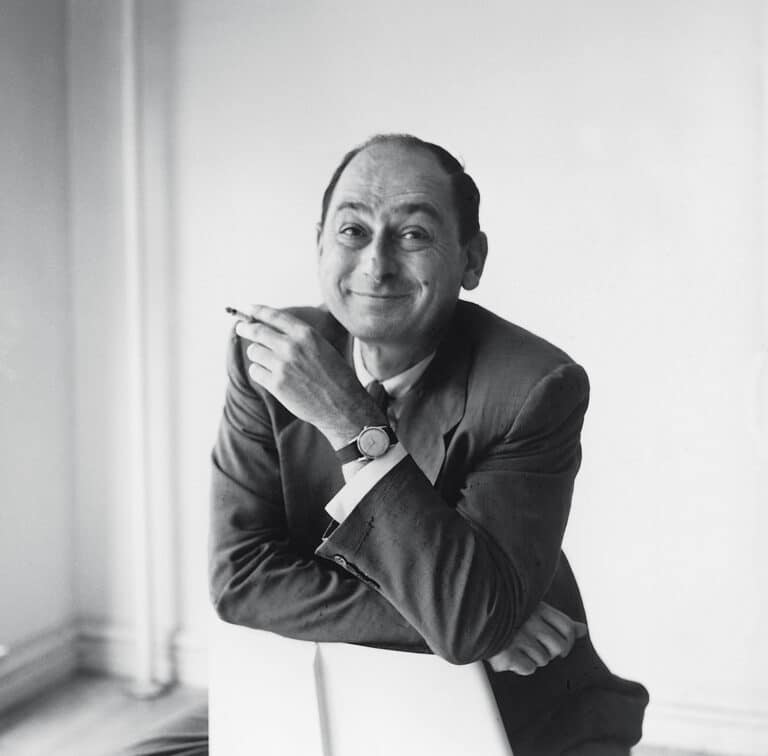
A Pioneer of American Modernism
George Nelson was far more than a designer—he was a renaissance man who revolutionized American interiors. After graduating from Yale University in 1928 with a degree in architecture, Nelson traveled to Rome to study at the American Academy. There, he connected with legendary architects like Le Corbusier, Mies van der Rohe, Walter Gropius, and Gio Ponti, aiming to introduce innovative European design concepts to a growing American audience.
Shaping the Industry

Nelson’s insightful writing quickly put him on the map. His influential article in Pencil Points led to an editorial role at Architectural Forum, and he soon launched his own architecture firm in New York. When his firm closed during World War II, Nelson became a professor at Columbia University, inspiring a new generation of designers.
Beyond his work as a practitioner, Nelson was one of the most influential design writers of the twentieth century. His tenure as an editor at Architectural Forum—first as associate editor beginning in 1935, and later as consulting editor through 1949—gave him a platform to champion modernism and articulate its principles for American audiences. Nelson believed that design should serve people’s real needs, a human-centered philosophy he explored throughout his career. His 1977 book How to See distilled decades of thinking into an accessible guide on visual literacy, encouraging readers to engage more thoughtfully with the built environment.
For Nelson, writing and designing were inseparable acts—both aimed at clarifying how objects, spaces, and ideas shape daily life.
The Herman Miller Era: A Design Revolution

A feature in Life magazine spotlighted Nelson’s innovative Storagewall, attracting the attention of D.J. De Pree, president of Herman Miller. Nelson was soon appointed as design director, where he redefined the brand’s product range and shaped its creative direction. He also brought together legendary talents like Charles and Ray Eames, Isamu Noguchi, and Alexander Girard, forming a powerhouse collective that transformed modern furniture and lighting.
Iconic Designs That Endure

Nelson’s imaginative creations for Herman Miller remain beloved classics. Standouts include:
- Marshmallow Sofa: A playful, sculptural seating piece.
- Nelson Platform Bench: A minimalist staple for modern interiors.
- The First L-Shaped Desk: Revolutionizing workspace ergonomics.
- Storagewall: A modular wall unit that pioneered the concept of integrated, space-saving storage for modern homes.
But perhaps Nelson’s most celebrated contribution is the Bubble Lamp series. Using an innovative plastic developed by the U.S. military, these lamps offer a striking, lightweight alternative to traditional silk shades and are available in a variety of shapes and sizes.
Beyond Furniture: Bringing Modern Design Home

Nelson’s creative drive extended beyond furniture. In 1947, he founded George Nelson Associates, producing a wide array of home accessories. His iconic Nelson Ball Clock and innovative ceramic clocks—today produced by Vitra—brought playful, functional design into everyday life.

Lifelong Advocate for Modern Design

Nelson’s philosophy was simple: great design should make life easier and more beautiful for everyone. His pieces offered practical solutions for modern living—balancing comfort, utility, and style. He believed that design exists to better the world and serve people’s real needs, a conviction that runs through every object he created.
Total design is nothing more or less than a process of relating everything to everything.”
— George Nelson
Frequently Asked Questions
Who is the father of mid-century modern design?
George Nelson is widely regarded as the father of mid-century modern design. His work as a designer, writer, and design director at Herman Miller helped define the aesthetic and philosophy of the movement.
What design style is George Nelson known for?
Nelson is known for mid-century modern design, characterized by clean lines, organic forms, and an emphasis on function. His approach blended European modernist influences with an American sensibility focused on accessible, human-centered solutions.
What are George Nelson’s most iconic designs?
Among Nelson’s most celebrated creations are the Bubble Lamp series, the Marshmallow Sofa, the Nelson Platform Bench, the Storagewall modular unit, and the Nelson Ball Clock. Each piece remains in production and continues to define modern interiors.
Are George Nelson designs still made today?
Yes. Many of Nelson’s original designs are produced today by Herman Miller and Vitra, ensuring that these mid-century classics remain available for contemporary homes and projects. George Nelson designs can be found at Lumens.
What makes George Nelson’s work so enduring?
Nelson’s designs endure because they balance form, function, and craftsmanship. His human-centered philosophy—designing to meet real needs—gives his work lasting relevance beyond passing styles.
Explore George Nelson's Legacy
Today, George Nelson’s timeless designs are found in homes, offices, and museums around the world. His vision for modern living remains as influential as ever, continuing to inspire designers and collectors alike. Whether you’re searching for a statement piece or inspiration for your next project, discover the enduring appeal of mid-century modern design with George Nelson at Lumens.