Illuminate Your Bathroom With Confidence and Style – Expert Tips, Inspiration, and Must-Know Lighting Advice from Lumens
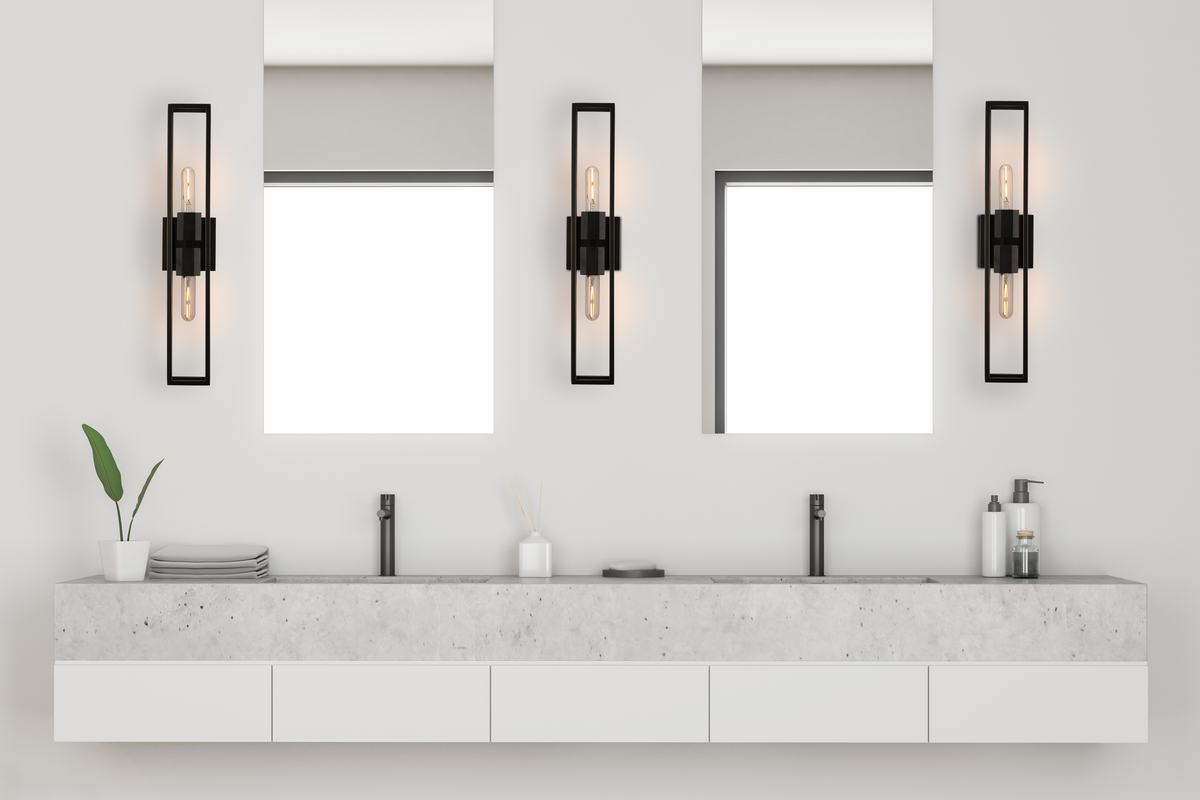
Whether you’re embarking on a full bathroom renovation or updating your existing space, choosing the right vanity lighting is crucial for both function and style. Many homes—especially older ones—struggle with insufficient or poorly placed lighting around the vanity, making everyday tasks like grooming and self-care less enjoyable and less effective.
Well-designed vanity lighting goes beyond just brightening the space. It enhances visibility for detail-oriented tasks, boosts safety in a wet environment, and elevates your bathroom’s overall ambiance. The good news? Creating an ideal lighting plan is easier than you think, and the results are transformative.
What Is Vanity Lighting?
Vanity lighting refers to any light fixture installed above or beside your bathroom sink and mirror. Whether your sink is part of a full vanity cabinet or stands alone, and whether your mirror is wall-mounted or part of a medicine cabinet, the essential lighting needs remain the same.
For a beautifully lit bathroom, aim to create layers of light—combining ambient, task, and accent lighting. While small or under-designed bathrooms often rely solely on an overhead flushmount fixture, vanity lights are best suited for providing focused illumination where you need it most. When chosen thoughtfully, vanity lights can serve as both task and general lighting, making your bathroom both functional and inviting.
How Many Vanity Lights Do You Need?
The number and placement of bathroom vanity lights should be tailored to the size of your vanity and the layout of your space.
- Single-Sink Vanities: For the most even, flattering illumination, install a pair of wall sconces on either side of the mirror. The American Lighting Association (ALA) recommends spacing sconces about 28″ to 30″ apart and mounting them at 60″ to 70″ from the floor (roughly eye level). This setup minimizes shadows and ensures true-to-life reflection.
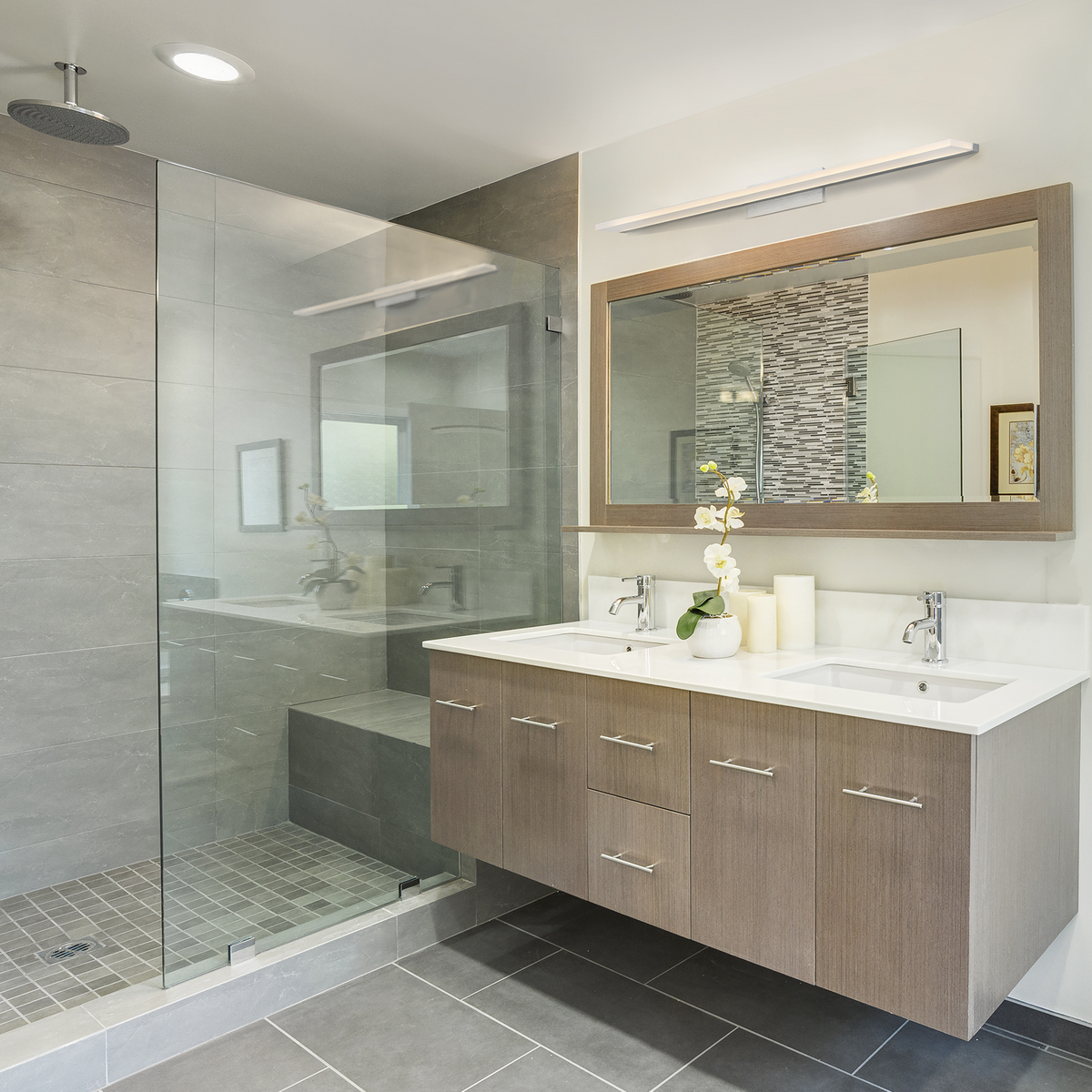
- Above-the-Mirror Fixtures: If side sconces aren’t an option, opt for a light fixture above the mirror. The fixture should be about one-third the width of your mirror—and never wider. For larger, double-sink vanities, a multi-light fixture (two, three, or four bulbs) above the mirror can be ideal. As a rule of thumb, keep the fixture about three-quarters of the mirror’s width or no wider than the cabinet beneath.
- Symmetry for Double Vanities: Consider mounting two identical fixtures—one above each sink—for a balanced look. The standard height for above-mirror fixtures is 75″ to 80″ from the floor.
Choosing Your Style: What Kind of Vanity Lights Are Best?
Style is personal, but function is key. The best vanity lighting strikes a balance between your aesthetic preferences and practical needs.
- Side-Mounted Lighting: Lights on either side of the mirror (like sconces or pendant lights) offer the most even illumination, reducing unwanted shadows and creating a flattering, natural look.
- Overhead Lighting: While sometimes necessary, overhead fixtures and especially recessed lights can cast harsh shadows that complicate grooming. Choose them only when side-mounting isn’t possible.
- Creative Solutions for Challenging Spaces: If wall space is tight, consider mounting fixtures directly onto the mirror’s surface, as long as you follow ALA guidelines. Frosted bulbs, globes, or diffused glass shades help soften the light and eliminate harsh shadows.
- Small or Alcove Bathrooms: For powder rooms or vanities tucked into alcoves, mount sconces on the walls perpendicular to the sink and toward the mirror for optimal effect.
Modern Minimalism: The Power of Lighted Mirrors
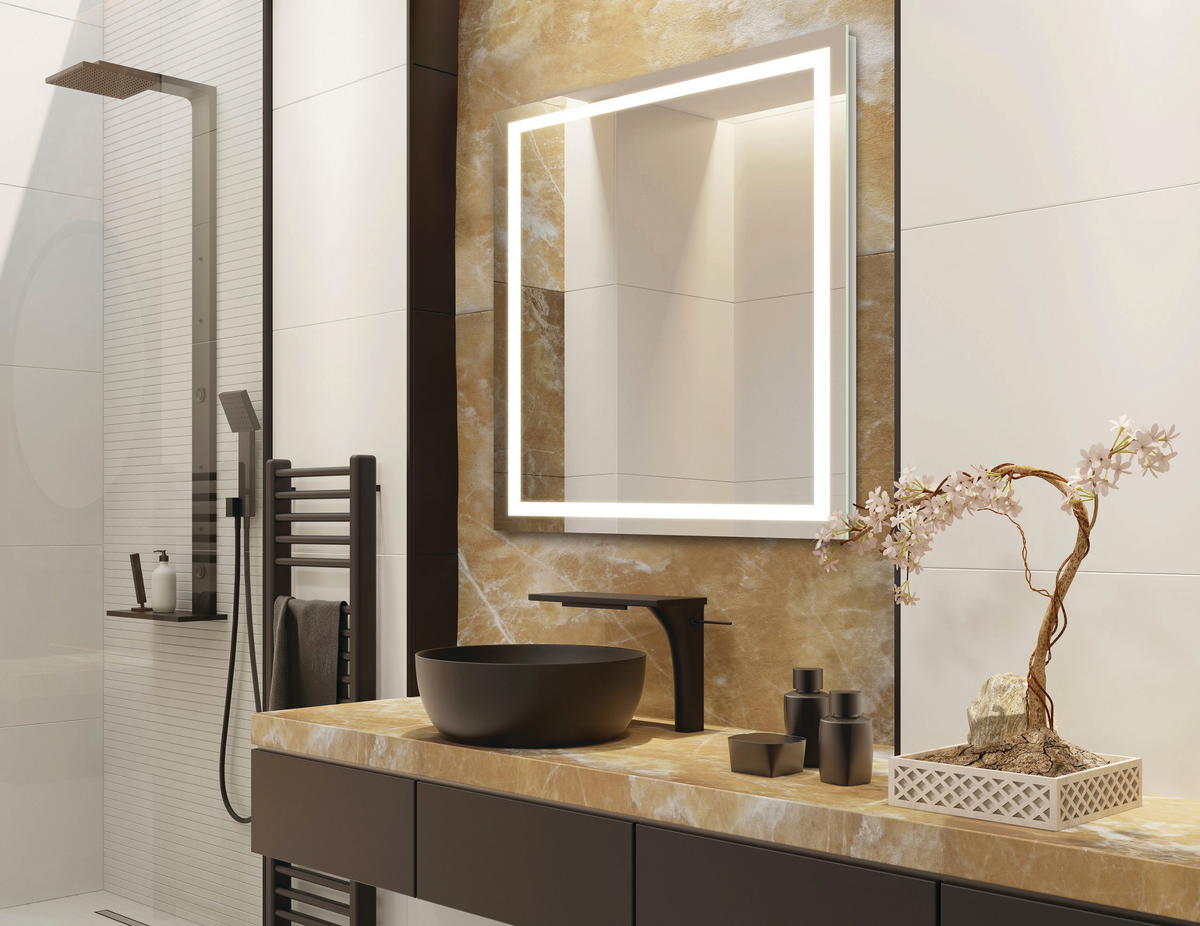
If you’re short on space or prefer a sleek, contemporary look, lighted mirrors with integrated LEDs are a game-changer. These mirrors feature built-in lighting—often along the frame or the perimeter—offering a clean, seamless appearance when off and a beautiful, even glow when illuminated.
Lighted mirrors deliver excellent task lighting without the need for additional fixtures, making them perfect for minimalist bathrooms or anywhere you want a clutter-free look.
Lumens: How Much Light You Need
For the tasks that are usually performed in front of the bathroom vanity mirror, adequate lighting ensures no detail is missed. And as with any task lighting, the level of brightness matters. The ALA recommends a minimum value of approximately 1600 lumens for vanity lighting (for reference, one 60-watt incandescent bulb yields about 800 lumens on its own), although there is one important consideration that can alter this number: If the fixture you choose has an integrated LED light source, the added efficiency means you can get the same effect with a lower output (down to 1200 lumens) so bear that in mind when selecting lighting fixtures. Alternately, go for the higher end of lumen output and install dimmable fixtures on their own switch, so anyone can control the light level as needed.
How Bright Should Your Vanity Lighting Be?
Depending on building codes where your project is, there may be specific requirements for lighting you should be aware of. For instance, in some jurisdictions, lighting fixtures within 6 feet of a bathtub or shower must be wet rated. This is a safe rule of thumb for bathroom lighting, although most well-ventilated bathrooms are not considered wet environments.
Specifics: Important Considerations for Bathroom Vanities
The right brightness makes all the difference for grooming, makeup, and self-care routines. The ALA recommends a minimum of 1,600 lumens for bathroom vanity lighting—about the output of two 60-watt incandescent bulbs. However, if you choose integrated LED fixtures, you can achieve similar results with even lower output (down to 1,200 lumens) thanks to their efficiency.
For maximum flexibility, select dimmable fixtures and install them on a dedicated switch. This lets you adjust the light for different needs and times of day.
Learn more about lumens and brightness in our Light Bulb Guide.
Understanding Lighting Ratings
Bathrooms are unique spaces with specific safety requirements. Always check local building codes regarding lighting near water. In many jurisdictions, any fixture installed within six feet of a bathtub or shower must be “wet rated.” Even if your bathroom is well ventilated, err on the side of caution and choose wet- or damp-rated fixtures for peace of mind.
Discover more about UL Ratings for Lighting to ensure you select the right fixture for your space.
What to Look for in Modern Vanity Lights
Today’s bathroom vanity lights often feature advanced LED technology for superior energy efficiency, longevity, and design flexibility. To get the best experience, pay attention to two critical specs:
- Color Rendering Index (CRI): This measures how accurately a light source displays color. For the most natural reflection of skin tone, makeup, and hair, choose fixtures with a CRI of 90 or higher.
- Color Temperature (Kelvin): This refers to how “warm” or “cool” the light appears. For bathrooms, a range of 2,700K to 3,000K is ideal—offering a soft, warm glow similar to incandescent bulbs. Avoid going above 3,500K to maintain a welcoming, flattering light.
For more detail on LED options, explore our comprehensive LED Lighting Buyer’s Guide.
Installation: Leave It to the Pros
Electricity and water are never a safe mix. For all bathroom lighting installations, always hire a certified electrician. A licensed professional ensures your lights are installed safely, up to code, and in compliance with all local regulations.
Ready to Transform Your Bathroom?
Creating your dream bathroom starts with the right lighting. Follow these expert tips to choose fixtures that blend beauty, safety, and function—then watch your daily routines become brighter and more enjoyable.
Need personalized advice? Our ALA-certified lighting experts are always on hand to answer technical questions or help you find the perfect fixtures for your space.